%2Ffit-in%2F250x250%2Fguide_websites%2F119299%2Fimages%2F17709570666761111-removebg-preview.png&w=1920&q=100)
/users/52a04e1e-1fc4-4290-b875-6c2c4003c808/ratecard/1-mlk7t0le.jpg)
%2F300x300%2Fusers%2F52a04e1e-1fc4-4290-b875-6c2c4003c808%2Fratecard%2F1-mlk7t0le.jpg&w=256&q=75)
%2F300x300%2Fusers%2F52a04e1e-1fc4-4290-b875-6c2c4003c808%2Fimages%2Fwahoo-fish-murrells-inlet-fishing-2692.jpg&w=256&q=75)
%2F300x300%2Fusers%2F52a04e1e-1fc4-4290-b875-6c2c4003c808%2Fimages%2Fredfish-fishing-tour-murrells-inlet-2377.jpg&w=256&q=75)
%2F300x300%2Fusers%2F52a04e1e-1fc4-4290-b875-6c2c4003c808%2Fimages%2Fredfish-murrells-inlet-fishing-tour-2429.jpg&w=256&q=75)
%2F300x300%2Fusers%2F52a04e1e-1fc4-4290-b875-6c2c4003c808%2Fimages%2Fredfish-fishing-tour-sc-2425.jpg&w=256&q=75)
%2F300x300%2Fusers%2F52a04e1e-1fc4-4290-b875-6c2c4003c808%2Fimages%2Fblackfin-tuna-murrells-inlet-2668.jpg&w=256&q=75)
%2F300x300%2Fusers%2F52a04e1e-1fc4-4290-b875-6c2c4003c808%2Fimages%2Fgreat-fishing-tour-sc-2630.jpg&w=256&q=75)
%2F300x300%2Fusers%2F52a04e1e-1fc4-4290-b875-6c2c4003c808%2Fimages%2Ftwo-black-drum-redfish-sc-2490.jpg&w=256&q=75)
%2F300x300%2Fusers%2F52a04e1e-1fc4-4290-b875-6c2c4003c808%2Fimages%2Ffishing-tour-adventure-sc-2722.jpg&w=256&q=75)
%2F300x300%2Fusers%2F52a04e1e-1fc4-4290-b875-6c2c4003c808%2Fimages%2Fredfish-caught-murrells-inlet-2514.jpg&w=256&q=75)
%2F300x300%2Fusers%2F52a04e1e-1fc4-4290-b875-6c2c4003c808%2Fimages%2Fredfish-catch-south-carolina-2467.jpg&w=256&q=75)
Marsh Cruise & Fishing Murrells Inlet SC
 Murrells Inlet, SC
What you will be catching:
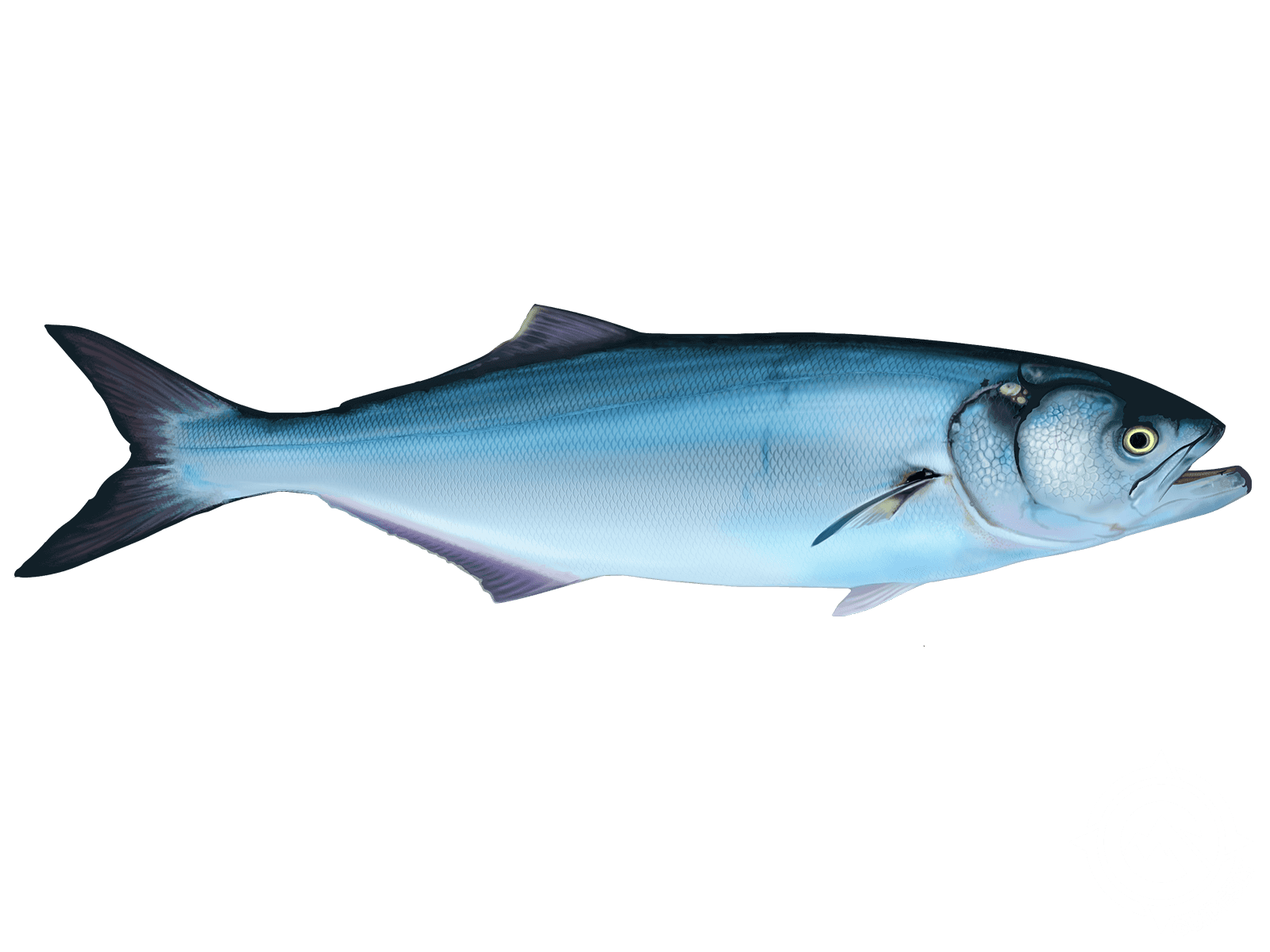
 Bluefish
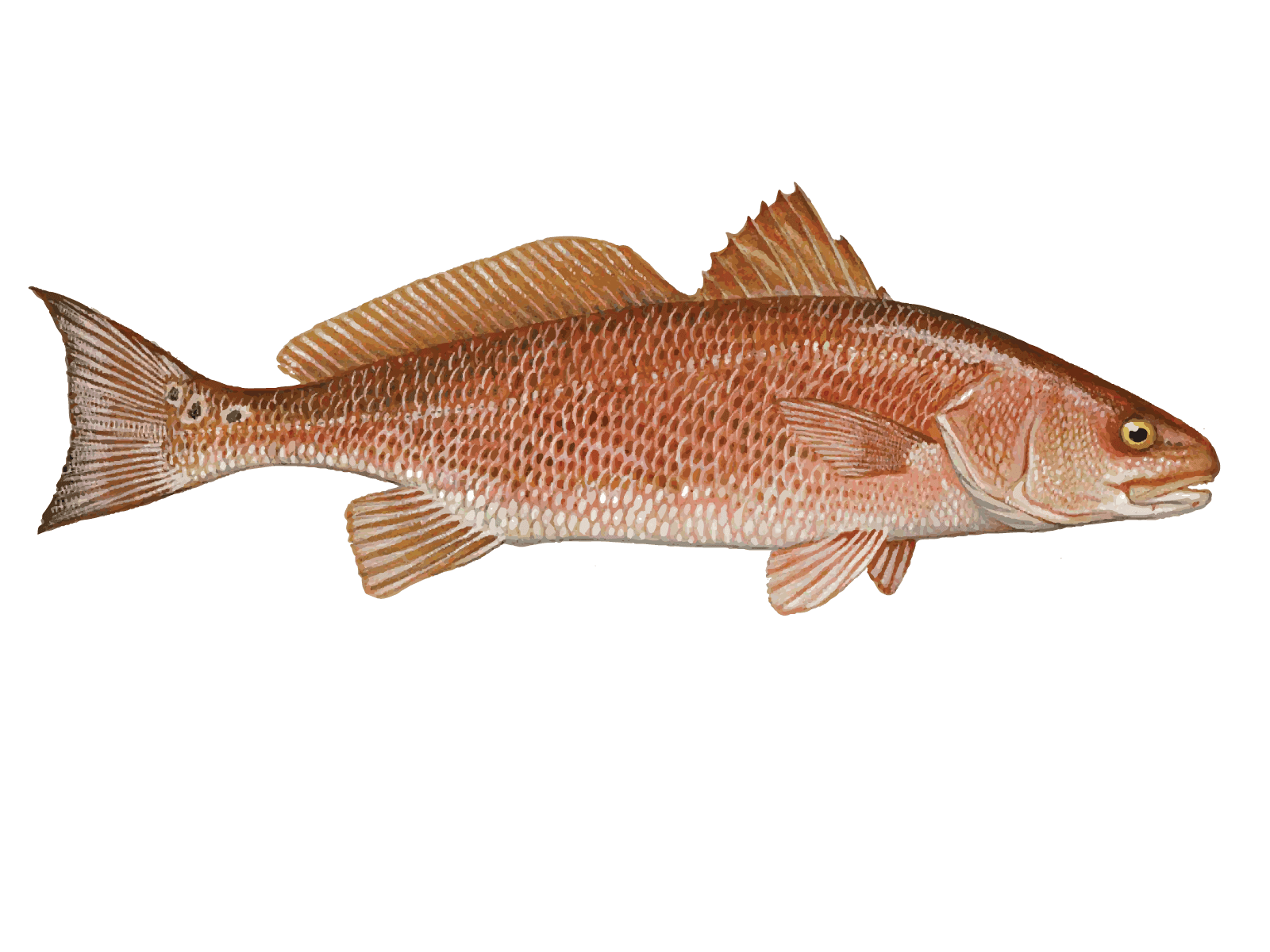
 Redfish
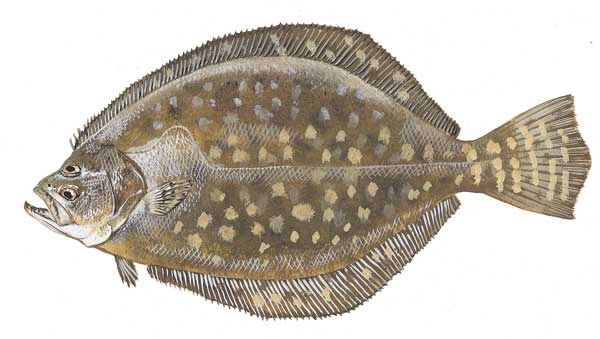 Southern Flounder
 Spanish Mackerel
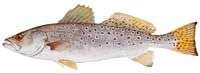
 Spotted Weakfish
- 2-hour private boat excursion through scenic Murrells Inlet marsh waters
- Wildlife viewing opportunities including dolphins and sea turtles in natural habitat
- Intimate experience accommodating up to 3 guests with optional light fishing
Trip Pricing and Availabilities:
Murrells Inlet Marsh Exploration & Fishing Charter
Picture this: you're cruising through the winding creeks of Murrells Inlet with Captain Cush, watching dolphins play in your wake while your line drifts lazily behind the boat. This isn't your high-pressure, tournament-style fishing trip – it's something way better. We're talking about a laid-back 2-hour adventure that combines the best of both worlds: peaceful sightseeing and relaxed fishing in one of South Carolina's most beautiful coastal spots. Perfect for families who want to introduce the kids to fishing, couples looking for a romantic afternoon on the water, or anyone who just wants to unwind without the crowds. With space for up to three guests, you'll get that private charter feel without breaking the bank.
What to Expect on the Water
Murrells Inlet isn't called the "Seafood Capital of South Carolina" for nothing – these waters are absolutely teeming with life. Your trip starts right from the historic inlet, where shrimp boats have been coming and going for generations. Captain Cush knows these marshes like the back of his hand, and he'll take you through the maze of tidal creeks where the water changes from deep blue to emerald green. You'll drift past centuries-old live oaks draped in Spanish moss, spot great blue herons stalking the shallows, and maybe even catch a glimpse of a loggerhead sea turtle surfacing for air. The fishing here is as relaxed as it gets – no need to be up at dawn or worry about rough seas. We're talking about gentle casting near oyster beds and letting your bait work the current while you soak up the coastal vibes. The whole experience feels more like hanging out with a friend who happens to own a boat than a formal charter.
Techniques & Tackle Setup
This is prime light tackle territory, and Captain Cush has it dialed in perfectly. We're using medium-action spinning rods that are forgiving enough for beginners but still give you that satisfying bend when a redfish decides to make a run. Most of the fishing happens with live or cut shrimp under a popping cork – that classic Carolina rig that's been fooling fish in these waters for decades. You'll learn to read the tell-tale "pop-pop-pause" rhythm that drives inshore species crazy. When the tide's moving just right, we might switch to small jigs or soft plastics worked around the dock pilings and grass beds where fish love to ambush prey. The shallow draft boat lets us get into spots where the big charter boats can't go – those back-country creeks where the water's only a few feet deep but holds some serious surprises. Don't worry if you've never held a rod before; Captain Cush has a knack for getting everyone on fish, whether you're 8 or 80.
Top Catches This Season
Redfish are the absolute stars of Murrells Inlet, and for good reason. These copper-colored bruisers love the shallow grass flats and oyster bars that make up most of our fishing spots. They're notorious for that heart-stopping moment when they crush your bait and take off on their first run – even a 20-incher will make your drag sing. The best part? Reds are here year-round, though they get most aggressive in the fall when they're fattening up. You'll know you've hooked one by that distinctive head-shaking, bulldogging fight that makes them so addictive to catch.
Spotted Weakfish, or "specks" as the locals call them, are the finesse fish of the marsh. They've got mouths like paper, so you need to keep steady pressure without horsing them in. These beautiful silver fish with distinctive spots are most active during moving tides, especially around dawn and dusk. They school up in the deeper holes and channel edges, and when you find them, you might catch three or four before they wise up and move on. Their delicate bite requires a gentle touch, making them perfect for anglers who want to work on their technique.
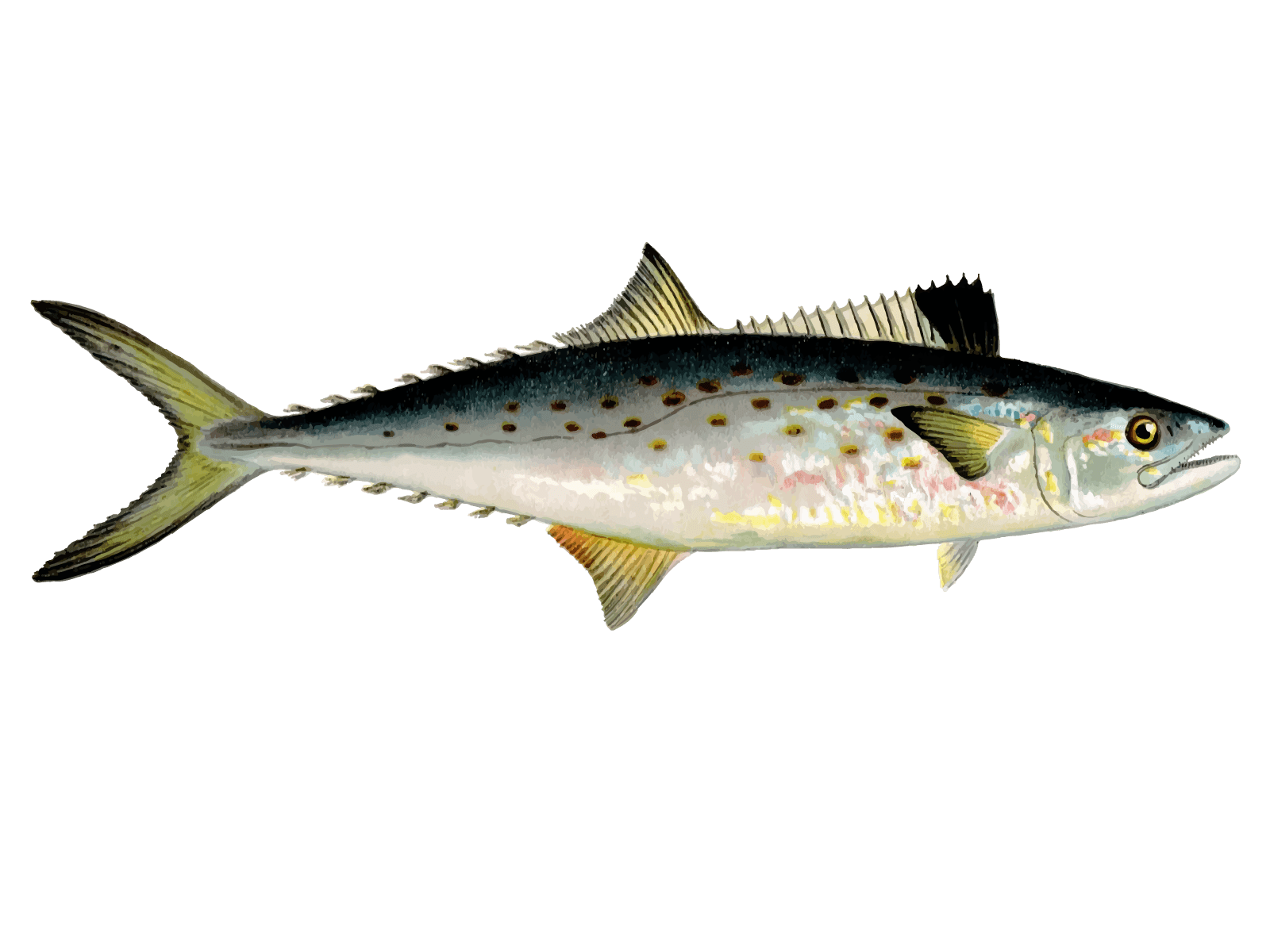
Spanish Mackerel bring the speed and excitement to this laid-back trip. These torpedo-shaped fish are built for one thing: going fast. They'll hit small spoons or cut bait with authority, and their initial run will have you wondering if you hooked a fish twice their size. They're most common during the warmer months when baitfish are thick in the inlet. Their razor-sharp teeth mean you'll want to use a wire leader, and their willingness to bite makes them a favorite with kids who want non-stop action.
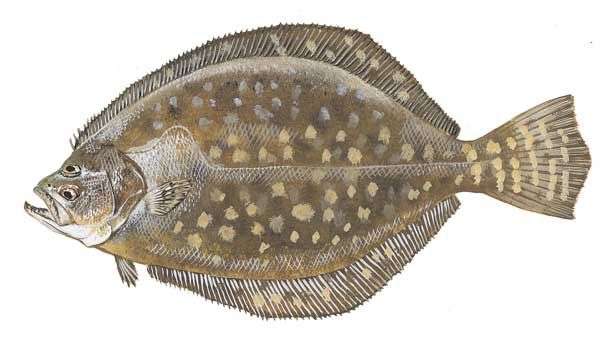
Southern Flounder are the masters of disguise in these waters, lying perfectly camouflaged on sandy bottoms waiting for an easy meal to drift by. They're ambush predators that require patience – you might not feel much more than a gentle tap when they pick up your bait. The trick is giving them time to fully commit before setting the hook. These flatfish are most active during cooler months and provide some of the best eating you'll find in the marsh. There's something deeply satisfying about fooling a fish that spends its whole life fooling everything else.
Bluefish round out the action with their aggressive nature and schooling behavior. When a school of blues moves through the inlet, you'll know it – they attack baitfish with such ferocity that the water looks like it's boiling. They're not picky eaters and will hit just about anything you throw at them, making them perfect confidence-builders for new anglers. Their strong fight and sharp teeth earn them respect, and they're most common during their spring and fall migrations along the coast.
Time to Book Your Spot
Here's the thing about Murrells Inlet – it's got this perfect blend of accessibility and wild beauty that's getting harder to find along the developed South Carolina coast. Captain Cush's marsh exploration gives you a taste of old-school coastal living without requiring any experience or expensive gear.
Learn more about the species
Bluefish
Bluefish are aggressive fighters that'll test your tackle when they're schooled up and feeding. These blue-green torpedoes typically run 3-10 pounds around here and have teeth that can slice through leaders like butter. You'll find them chasing baitfish in the deeper parts of the inlet and around the jetties, especially during summer months when they're following schools of menhaden and anchovies. What makes them exciting is their feeding frenzies - when they're on, the water looks like it's boiling with activity. They're decent eating when bled and iced right away, though the smaller ones taste better. Here's what I always tell folks: use a wire leader because those razor teeth will cut through mono instantly, and when you see birds working over the water, that's your cue to get there fast with anything flashy that moves.
Redfish
Redfish are one of our most popular targets here in Murrells Inlet's shallow waters. These copper-colored beauties with their signature black spots near the tail typically run 20-30 inches and love cruising the 1-4 foot flats around oyster bars and grass beds. They're perfect ambush predators, so you'll often spot their backs breaking the surface in super shallow water. Spring through fall gives you the best action when they're actively feeding on shrimp and small baitfish. What makes them special is that explosive strike when they hit your bait - plus they're excellent table fare with that mild, sweet flavor. Pro tip: when you see one tailing in skinny water, cast your shrimp or soft plastic about three feet ahead of where they're headed, not right on top of them.
Southern Flounder
Southern flounder are the masters of disguise on our sandy and muddy bottoms. These flat fish typically run 15-18 inches and are perfectly built for ambush hunting - both eyes on one side, lying motionless until prey swims overhead. You'll find them in shallow creeks, around oyster bars, and along channel edges where they can blend into the bottom. Fall is prime time when they're fattening up before heading offshore for winter. Guests enjoy targeting them because they're different from typical fish - plus they're some of the best eating you'll find with that sweet, white meat. The key is slow presentation along the bottom. Drift a live mud minnow or shrimp on a Carolina rig and let it bounce naturally. When you feel that subtle tap, count to three before setting the hook - they need time to turn that bait around.
Spanish Mackerel
Spanish mackerel are speed demons that'll give you an arm workout when they're running. These sleek, spotted fish average 1-2 feet long and travel in big schools near the surface, especially around structure and baitfish. You'll find them cruising the inlet's deeper channels and around the jetties from late spring through early fall. They're absolute missiles when they hit - one minute you're casting, the next your drag is screaming. What makes them popular is that raw speed and their excellent table fare, whether grilled, smoked, or even eaten raw. They've got razor-sharp teeth, so bring a wire leader. Best tip I can share: when you see birds diving on bait, get there fast and throw anything shiny - spoons, small jigs, or even a bare hook. They're not picky when they're feeding.
Spotted Weakfish
Spotted weakfish, or "specks" as we call them locally, are a blast to catch in our shallow grass flats and around creek mouths. These silvery fish with their distinctive dark spots average 12-16 inches but can push over 30 inches on a good day. They're ambush feeders that like to hang near the bottom in 3-15 feet of water, especially around oyster beds and sandy holes. Summer months are prime time when they move into the estuaries to feed. Guests love them because they hit hard and make great eating with that tender, flaky meat. Their mouths are pretty soft though, so here's the trick: once you hook one, keep steady pressure but don't horse them in too hard or the hook will pull right out. Light drag and patience pays off with these fish.