%2Ffit-in%2F250x250%2Fguide_websites%2F119299%2Fimages%2F17709570666761111-removebg-preview.png&w=1920&q=100)
/users/52a04e1e-1fc4-4290-b875-6c2c4003c808/ratecard/light-tackle-fishing-murrells-inlet-sc-mlk8f4m1.jpg)
%2F300x300%2Fusers%2F52a04e1e-1fc4-4290-b875-6c2c4003c808%2Fratecard%2Flight-tackle-fishing-murrells-inlet-sc-mlk8f4m1.jpg&w=256&q=75)
%2F300x300%2Fusers%2F52a04e1e-1fc4-4290-b875-6c2c4003c808%2Fimages%2Fwahoo-fish-murrells-inlet-fishing-2692.jpg&w=256&q=75)
%2F300x300%2Fusers%2F52a04e1e-1fc4-4290-b875-6c2c4003c808%2Fimages%2Fredfish-fishing-tour-murrells-inlet-2377.jpg&w=256&q=75)
%2F300x300%2Fusers%2F52a04e1e-1fc4-4290-b875-6c2c4003c808%2Fimages%2Fredfish-murrells-inlet-fishing-tour-2429.jpg&w=256&q=75)
%2F300x300%2Fusers%2F52a04e1e-1fc4-4290-b875-6c2c4003c808%2Fimages%2Fredfish-fishing-tour-sc-2425.jpg&w=256&q=75)
%2F300x300%2Fusers%2F52a04e1e-1fc4-4290-b875-6c2c4003c808%2Fimages%2Fblackfin-tuna-murrells-inlet-2668.jpg&w=256&q=75)
%2F300x300%2Fusers%2F52a04e1e-1fc4-4290-b875-6c2c4003c808%2Fimages%2Fgreat-fishing-tour-sc-2630.jpg&w=256&q=75)
%2F300x300%2Fusers%2F52a04e1e-1fc4-4290-b875-6c2c4003c808%2Fimages%2Ftwo-black-drum-redfish-sc-2490.jpg&w=256&q=75)
%2F300x300%2Fusers%2F52a04e1e-1fc4-4290-b875-6c2c4003c808%2Fimages%2Ffishing-tour-adventure-sc-2722.jpg&w=256&q=75)
%2F300x300%2Fusers%2F52a04e1e-1fc4-4290-b875-6c2c4003c808%2Fimages%2Fredfish-caught-murrells-inlet-2514.jpg&w=256&q=75)
%2F300x300%2Fusers%2F52a04e1e-1fc4-4290-b875-6c2c4003c808%2Fimages%2Fredfish-catch-south-carolina-2467.jpg&w=256&q=75)
6 Hour Extended Inshore Charter Murrells Inlet
 Murrells Inlet, SC
What you will be catching:
 Black Sea Bass
 Blacktip Shark
 Bluefish
 Redfish
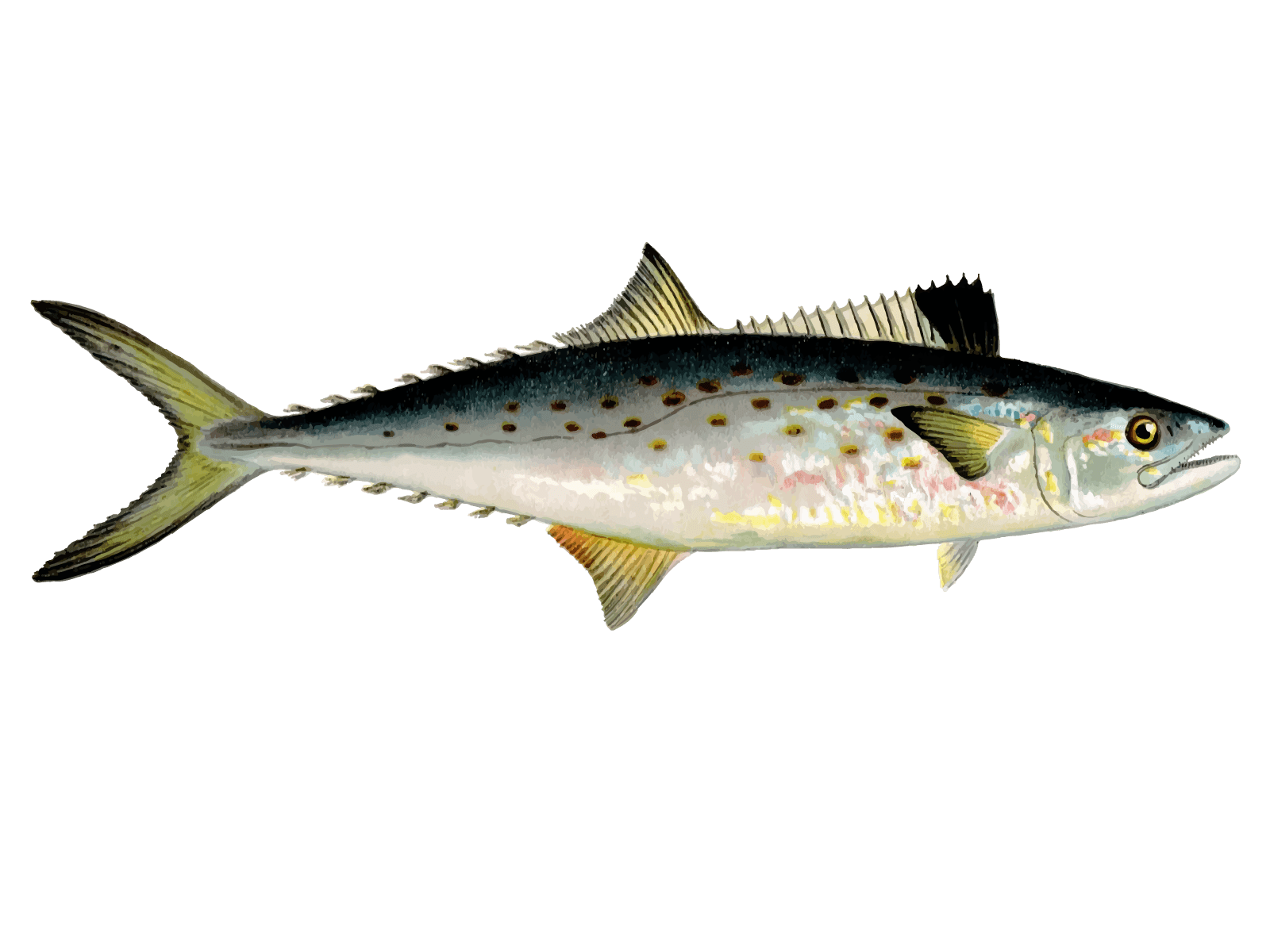
 Spanish Mackerel
- 6-hour extended charter targeting redfish, trout, flounder, and drum
- Small 3-angler groups with expert Captain Cush's local knowledge
- Multiple fishing locations from grass flats to creek mouths
Trip Pricing and Availabilities:
Extended Half-day Murrells Inlet Inshore Charter
Six hours on the water with Captain Cush means you're getting the real deal – enough time to work both tides and dial in on what's biting. This isn't your typical rushed half-day where you're heading back just when the fish start cooperating. Instead, you'll have the luxury of adapting to changing conditions, moving between productive spots, and really putting some quality fish in the boat. Murrells Inlet's backwaters and nearshore structure provide the perfect playground for targeting multiple species, and with a maximum of three anglers, everyone gets plenty of rod time and personalized instruction.
What to Expect on the Water
Captain Cush runs a tight operation focused on putting you on fish while keeping the experience relaxed and educational. You'll launch from Murrells Inlet and head out to target-rich waters where redfish patrol the grass beds, trout suspend over shell bottom, and flounder ambush bait along creek mouths. The six-hour window is a game-changer because it allows you to fish the incoming tide when certain species are most active, then transition to outgoing water where others turn on. This top-rated charter format gives you flexibility to adjust tactics – maybe start with live bait on the flats, then switch to artificial lures as conditions change. The boat is equipped with quality tackle, but feel free to bring your favorite rod if you've got one. Captain Cush knows these waters like the back of his hand, from the productive oyster bars to the deeper channel edges where bigger fish cruise.
Techniques & Tackle Setup
The beauty of inshore fishing around Murrells Inlet is the variety of techniques that produce results. You'll likely start with live or cut bait fished on the bottom for black drum and redfish, using circle hooks and enough weight to stay put in the current. As the day progresses, Captain Cush might switch you over to soft plastics worked along grass lines or docks where trout and flounder like to hang out. The key is reading the water and matching your presentation to what the fish want. When targeting redfish in shallow water, you'll use lighter tackle and sight-fish to individual fish or small schools. For deeper holes where black drum congregate, heavier sinkers and fresh shrimp or crab usually do the trick. The captain provides all tackle and bait, but if you're the type who likes throwing your own lures, bring along some soft plastics in natural colors – they're absolutely deadly on trout and redfish when worked properly along structure.
Top Catches This Season
Redfish are the bread and butter of Murrells Inlet inshore fishing, and these copper-colored bruisers put up a fight that'll test your drag system. Most fish run between 18 and 27 inches, with the occasional bull red that'll really get your heart pumping. They're most active during moving water, especially around oyster bars and grass flats where they root for crabs and shrimp. What makes redfish so special here is their year-round presence – you can catch them in January just as easily as July, though their behavior and preferred depths change with water temperature. Blacktip sharks show up during warmer months and provide non-stop action on light tackle. These fish typically run 3 to 6 feet and are absolute rockets when hooked. Spanish mackerel are seasonal visitors that arrive in late spring and stick around through early fall. They're fast, aggressive, and excellent table fare when bled and iced properly. Bluefish come through in schools and provide wide-open action when you locate them – they'll hit just about anything you throw at them. Black sea bass hang around deeper structure and are prized for their sweet, white meat. They're not the biggest fighters, but they make up for it in numbers and taste.
Time to Book Your Spot
This extended half-day format consistently delivers results because it gives you time to really fish rather than just sample different spots. Captain Cush's local knowledge combined with six hours of fishing time means you're maximizing your chances at a memorable day on the water. Whether you're looking to put fish in the cooler or just enjoy the experience of sight-fishing to tailing redfish in skinny water, this charter delivers. The small group size ensures personalized attention, and the captain's patient teaching style makes it perfect for anglers of all skill levels. Book your spot now and get ready to experience why Murrells Inlet is considered one of the premier inshore fishing destinations along the South Carolina coast.
Learn more about the species
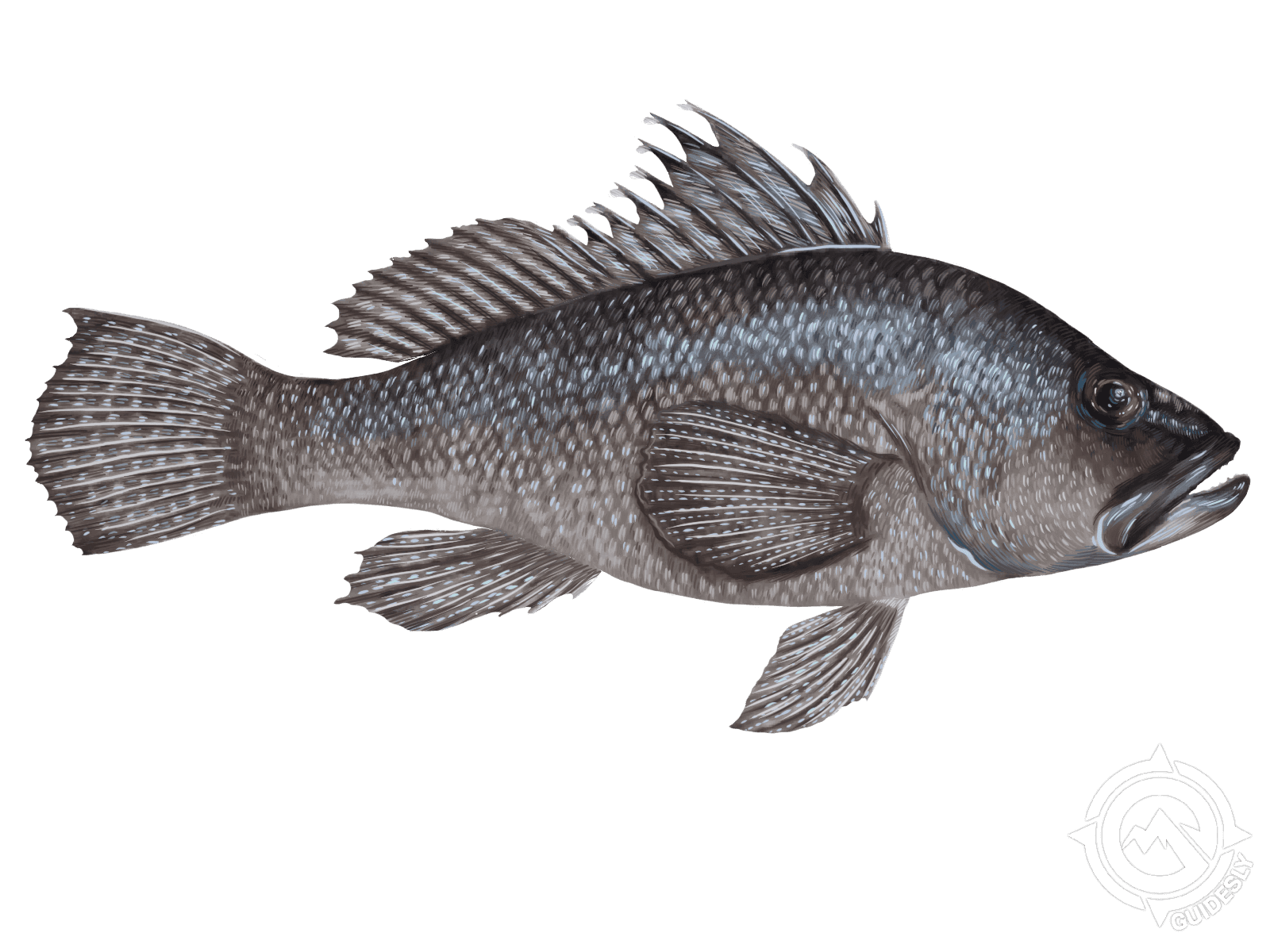
Black Sea Bass
Black sea bass are solid bottom dwellers that make reliable targets around structure from late spring through summer. These chunky fish typically run 1-4 pounds with a few bigger males pushing 6-8 pounds around deeper wrecks and hard bottom. They hang tight to jetties, artificial reefs, and rocky areas in 20-120 feet of water. What makes them great for families is they're pretty cooperative biters and excellent eating - white, flaky meat that's hard to beat fried or grilled. They fight decent for their size, especially the bigger males that develop that distinctive hump on their heads during spawning season. The trick is staying right on the structure - they don't roam far from home. Drop squid strips or cut bait right to the bottom and keep it moving slightly. When you feel that tap-tap bite, set the hook quick because they'll spit it out if you hesitate. Heavy enough tackle to pull them off the bottom before they wrap you up in the structure.
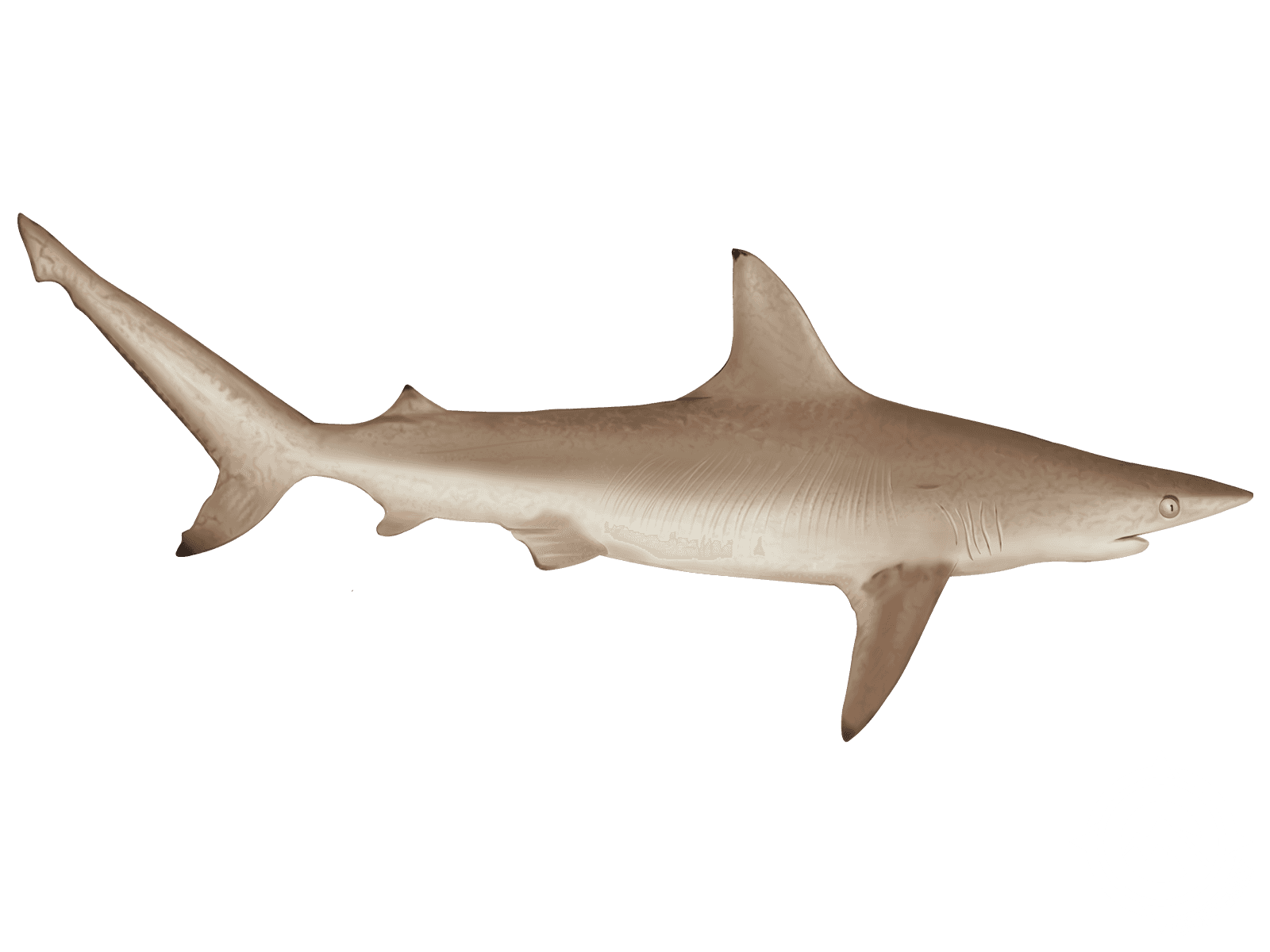
Blacktip Shark
Blacktips are one of the most exciting catches you'll run into during our charters. These athletic sharks typically run 4-6 feet and can jump clean out of the water when hooked - sometimes right into the boat if you're not careful. You'll find them around structure in 30-100 feet, especially near jetties and artificial reefs during warmer months. They're social hunters that often travel in groups, feeding on mackerel, herring, and whatever baitfish are running. What guests love is that explosive first run and those acrobatic jumps - pure adrenaline on the end of your line. They're also surprisingly timid, so a quiet approach works better than making a lot of noise. Pro tip: when chumming for blacktips, use oily fish like mackerel or sardines. The scent trail brings them in fast, but once you hook up, hold on tight because they'll test your drag and your nerves with those lightning-fast runs.
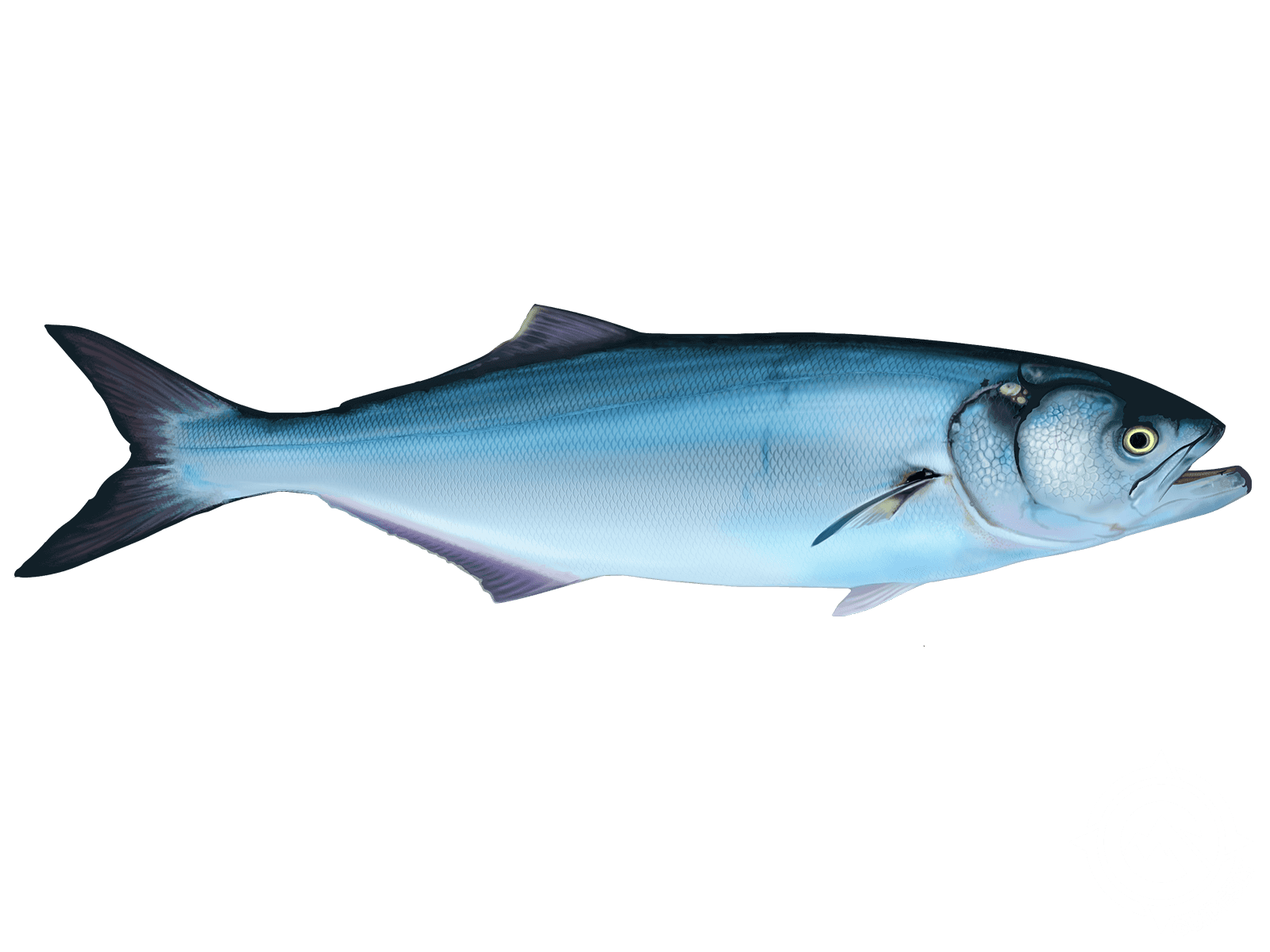
Bluefish
Bluefish are aggressive predators that put up scrappy fights and make great table fare when handled right. These blue-green bruisers typically run 2-10 pounds around here, with razor-sharp teeth that'll slice through your leader if you're not careful. You'll find schools of them in open water, around jetties, and over sandy bottom from late spring through fall. They're famous for their feeding frenzies - "bluefish blitzes" where they attack baitfish so aggressively they churn the water white. What makes them fun to target is their willingness to hit almost anything - spoons, plugs, cut bait, you name it. The meat is rich and oily, best when bled and iced immediately. Watch for diving birds marking schools, and be ready for multiple hookups when you find them. Local tip: use a wire leader or heavy fluorocarbon - those teeth will cut through regular line like butter, and always use pliers when handling them.
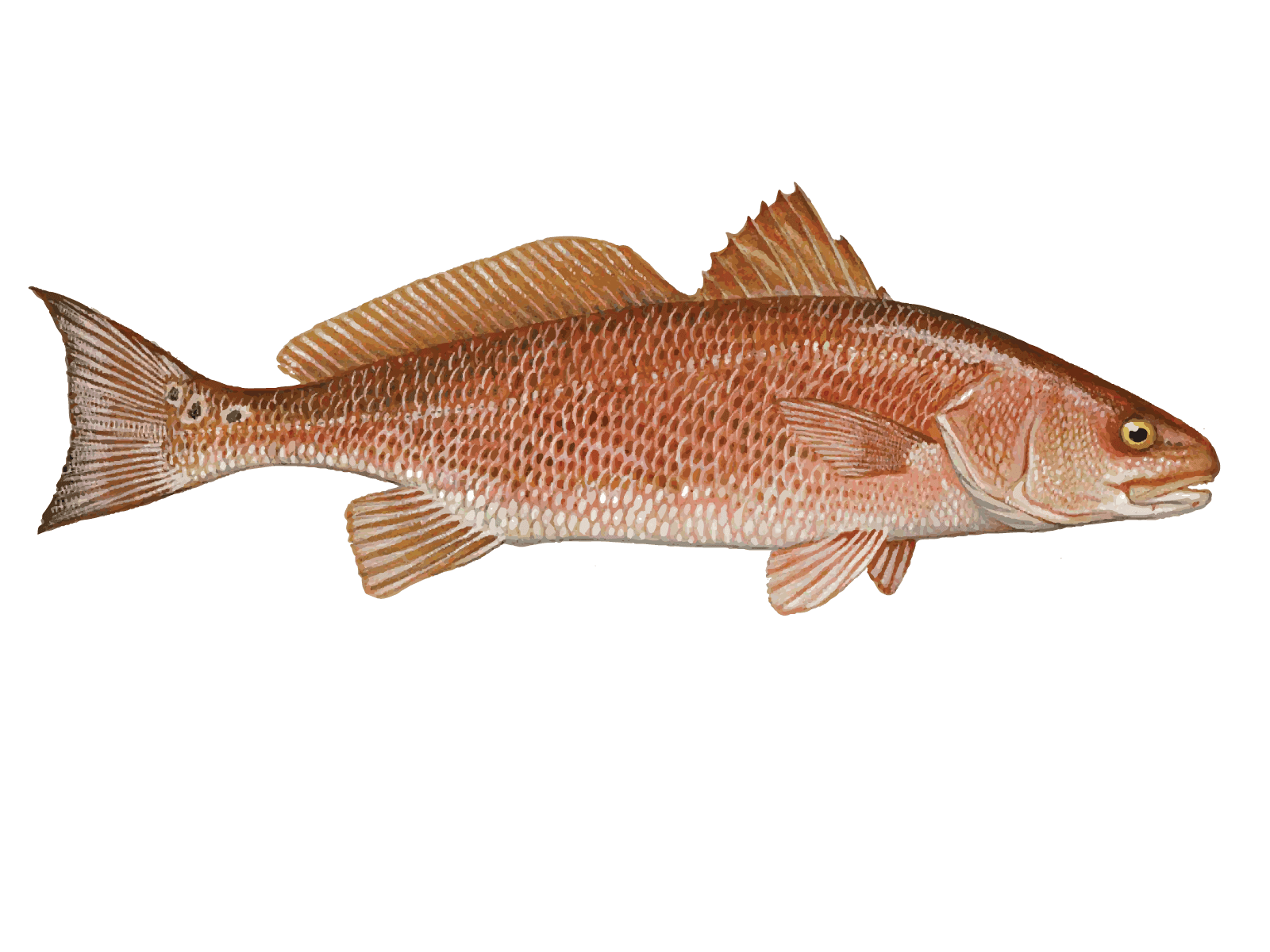
Redfish
Redfish are the bread and butter of our inshore trips here around Murrells Inlet. These copper-colored bruisers average 20-30 inches and pack serious fight in shallow water. Look for that telltale black spot near the tail - it's their signature mark. They love cruising oyster bars, grass flats, and creek mouths in 1-4 feet of water, especially on moving tides. Spring through fall gives you the best action when they're feeding heavy. What makes redfish special is watching their backs break the surface while they root around for crabs and shrimp. The fight is honest and strong, plus they make excellent table fare with sweet, flaky meat. Local tip: when you spot them tailing in skinny water, cast your shrimp or soft plastic well ahead and let it settle - they spook easy but once hooked, they'll give you everything they've got.
Spanish Mackerel
Spanish mackerel are speed demons that show up in good numbers during our warmer months, typically April through October. These silver bullets average 1-2 feet and weigh 2-3 pounds, but don't let the size fool you - they're one of the fastest fish in the ocean. You'll find them near the surface around jetties, piers, and open water structure, often in big schools chasing baitfish. They hit hard and fast, making screaming runs that'll test your drag. Guests love them because they're aggressive biters and excellent eating - mild, flaky meat that's perfect grilled or smoked. The key is light tackle and fast-moving lures. My go-to trick: when you see diving birds working a school, get there quick and throw small spoons or jigs. Keep moving your bait fast because these fish won't chase a slow target, and once you find a school, work it hard - they travel together.
About the 25" Carolina Skiff
%2F%2Fusers%2F52a04e1e-1fc4-4290-b875-6c2c4003c808%2Fvehicle_picture%2Fboat-mlk6ippr.jpg&w=1920&q=75)
Vehicle Guest Capacity: 5
Manufacturer Name: 2025 Yamaha 200hp Outboard
Maximum Cruising Speed: 40
Number of Engines: 1
Horsepower per Engine: 200