%2Ffit-in%2F250x250%2Fguide_websites%2F119299%2Fimages%2F17709570666761111-removebg-preview.png&w=1920&q=100)
/users/52a04e1e-1fc4-4290-b875-6c2c4003c808/ratecard/private-fishing-charter-murrells-inlet-mlk8jiap.jpg)
%2F300x300%2Fusers%2F52a04e1e-1fc4-4290-b875-6c2c4003c808%2Fratecard%2Fprivate-fishing-charter-murrells-inlet-mlk8jiap.jpg&w=256&q=75)
%2F300x300%2Fusers%2F52a04e1e-1fc4-4290-b875-6c2c4003c808%2Fimages%2Fwahoo-fish-murrells-inlet-fishing-2692.jpg&w=256&q=75)
%2F300x300%2Fusers%2F52a04e1e-1fc4-4290-b875-6c2c4003c808%2Fimages%2Fredfish-fishing-tour-murrells-inlet-2377.jpg&w=256&q=75)
%2F300x300%2Fusers%2F52a04e1e-1fc4-4290-b875-6c2c4003c808%2Fimages%2Fredfish-murrells-inlet-fishing-tour-2429.jpg&w=256&q=75)
%2F300x300%2Fusers%2F52a04e1e-1fc4-4290-b875-6c2c4003c808%2Fimages%2Fredfish-fishing-tour-sc-2425.jpg&w=256&q=75)
%2F300x300%2Fusers%2F52a04e1e-1fc4-4290-b875-6c2c4003c808%2Fimages%2Fblackfin-tuna-murrells-inlet-2668.jpg&w=256&q=75)
%2F300x300%2Fusers%2F52a04e1e-1fc4-4290-b875-6c2c4003c808%2Fimages%2Fgreat-fishing-tour-sc-2630.jpg&w=256&q=75)
%2F300x300%2Fusers%2F52a04e1e-1fc4-4290-b875-6c2c4003c808%2Fimages%2Ftwo-black-drum-redfish-sc-2490.jpg&w=256&q=75)
%2F300x300%2Fusers%2F52a04e1e-1fc4-4290-b875-6c2c4003c808%2Fimages%2Ffishing-tour-adventure-sc-2722.jpg&w=256&q=75)
%2F300x300%2Fusers%2F52a04e1e-1fc4-4290-b875-6c2c4003c808%2Fimages%2Fredfish-caught-murrells-inlet-2514.jpg&w=256&q=75)
%2F300x300%2Fusers%2F52a04e1e-1fc4-4290-b875-6c2c4003c808%2Fimages%2Fredfish-catch-south-carolina-2467.jpg&w=256&q=75)
Advanced Inshore Charter Murrells Inlet SC
 Murrells Inlet, SC
What you will be catching:
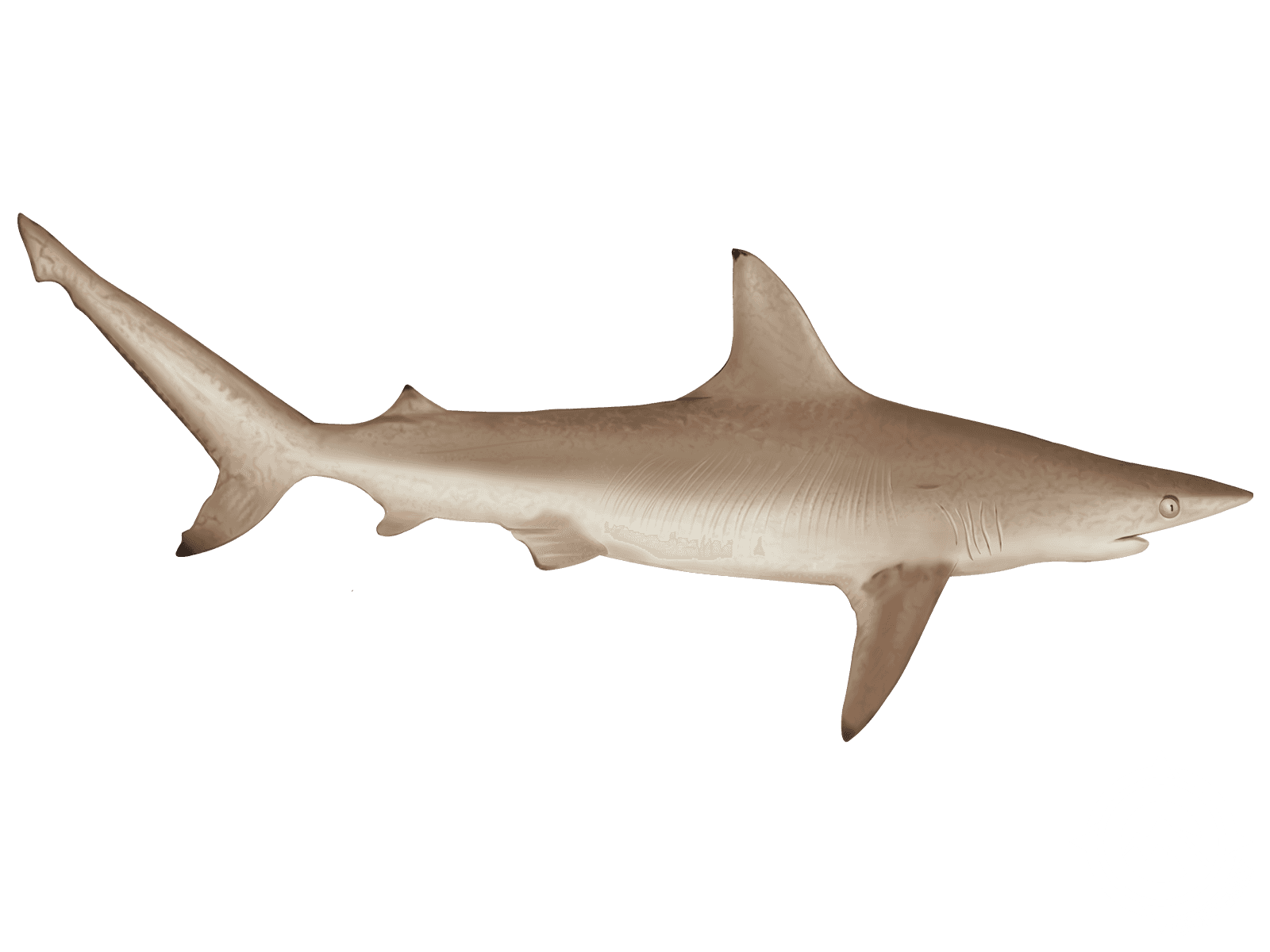
 Blacktip Shark
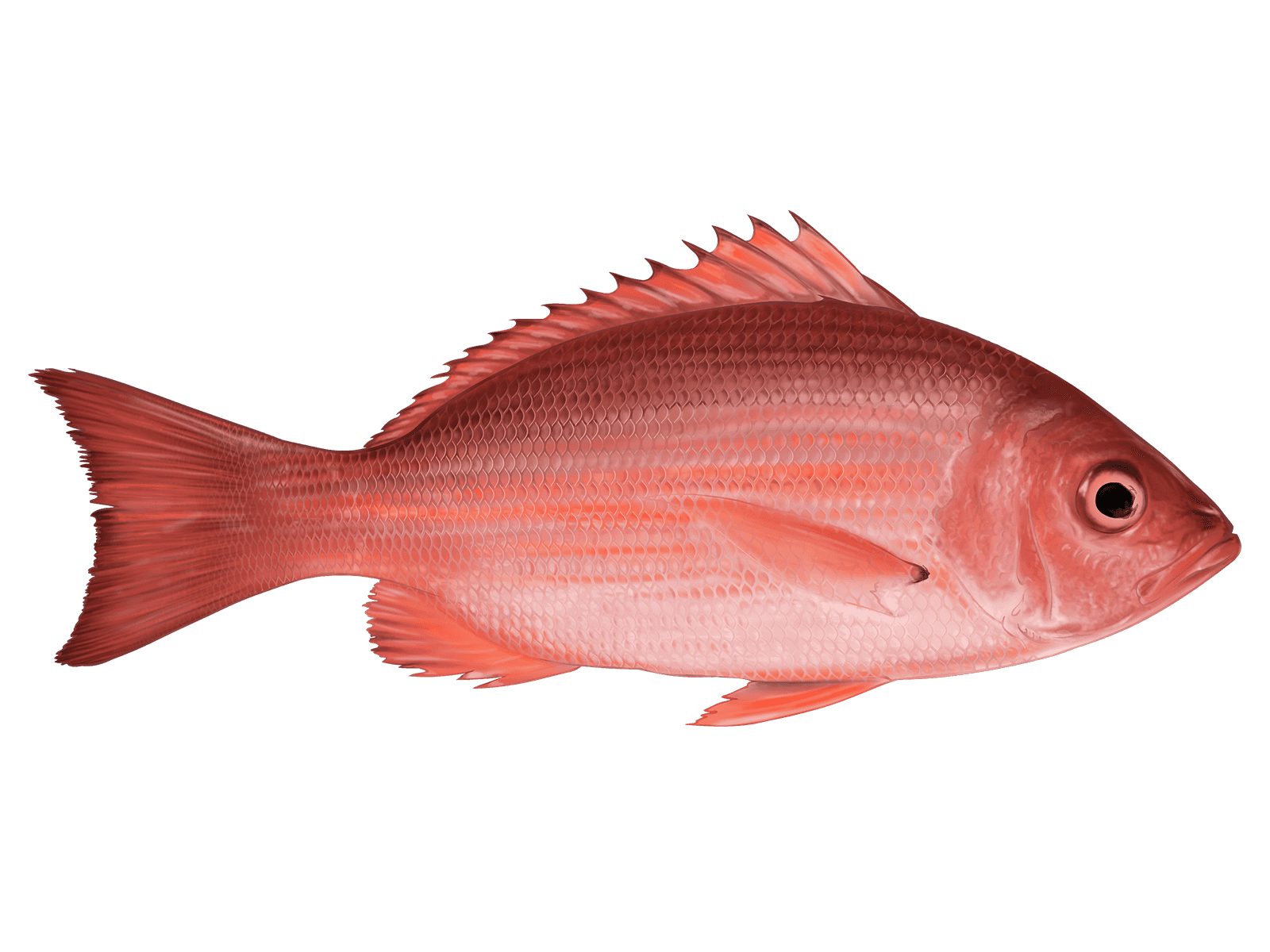
 Red Snapper
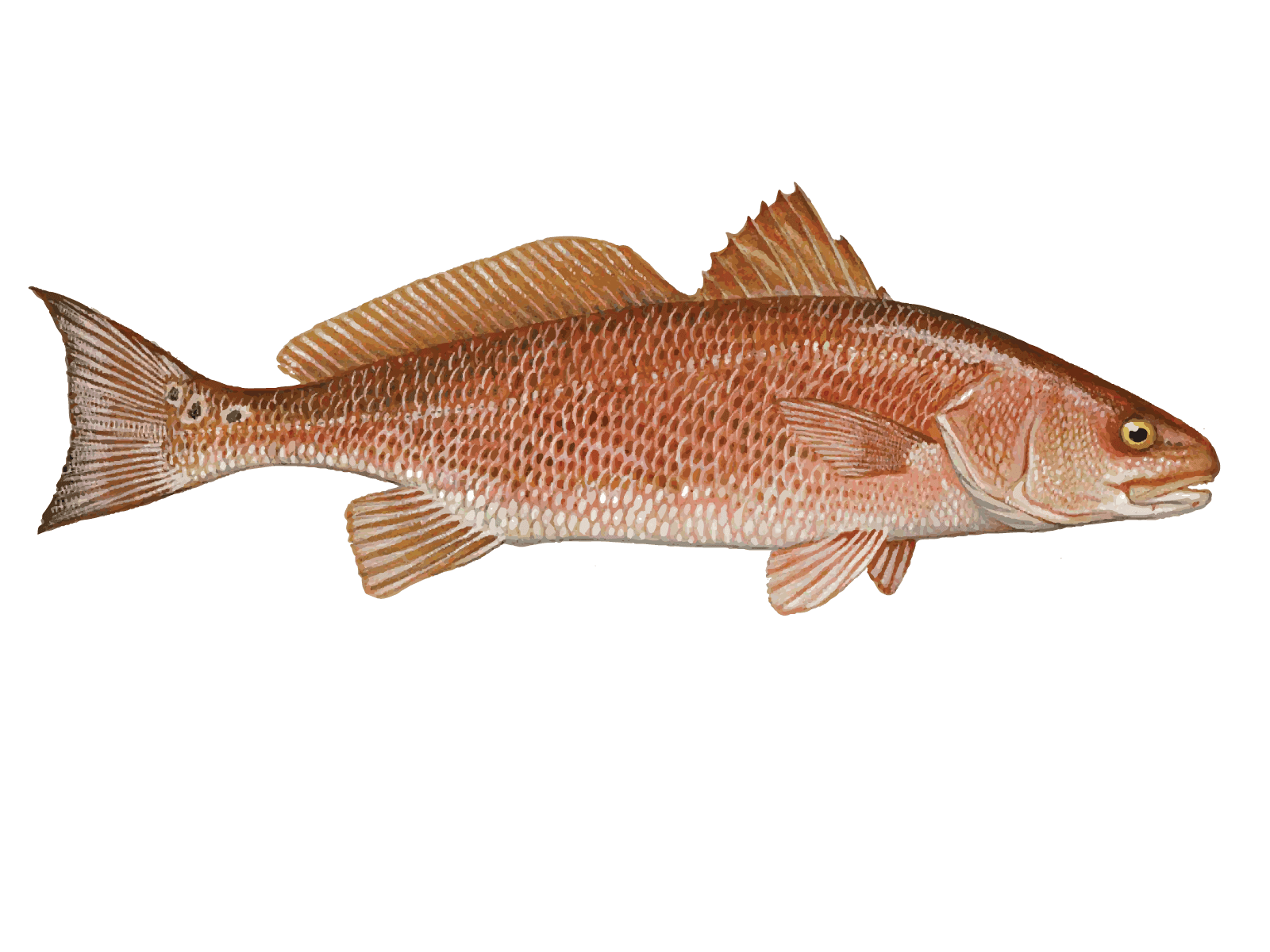
 Redfish
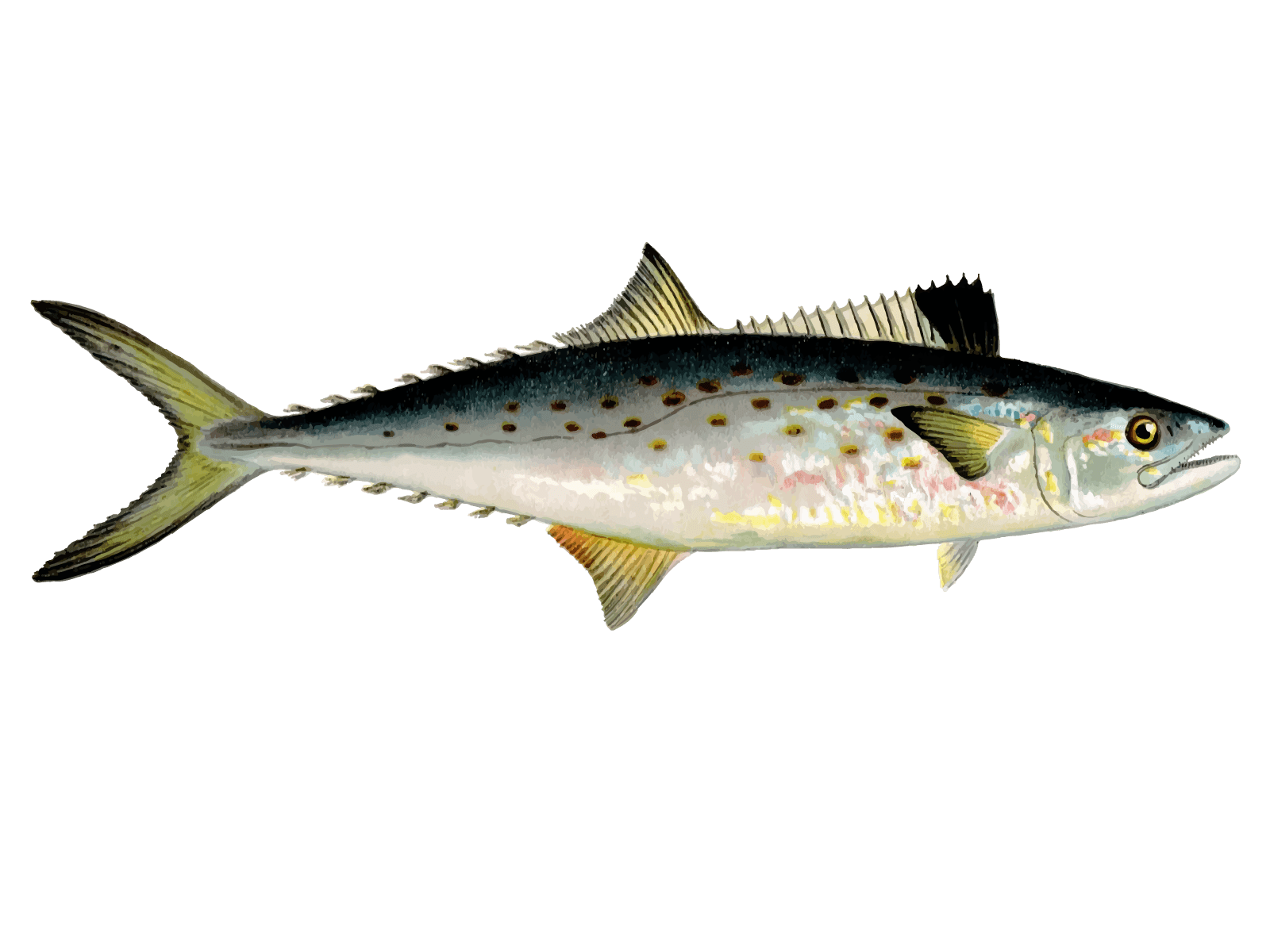
 Spanish Mackerel
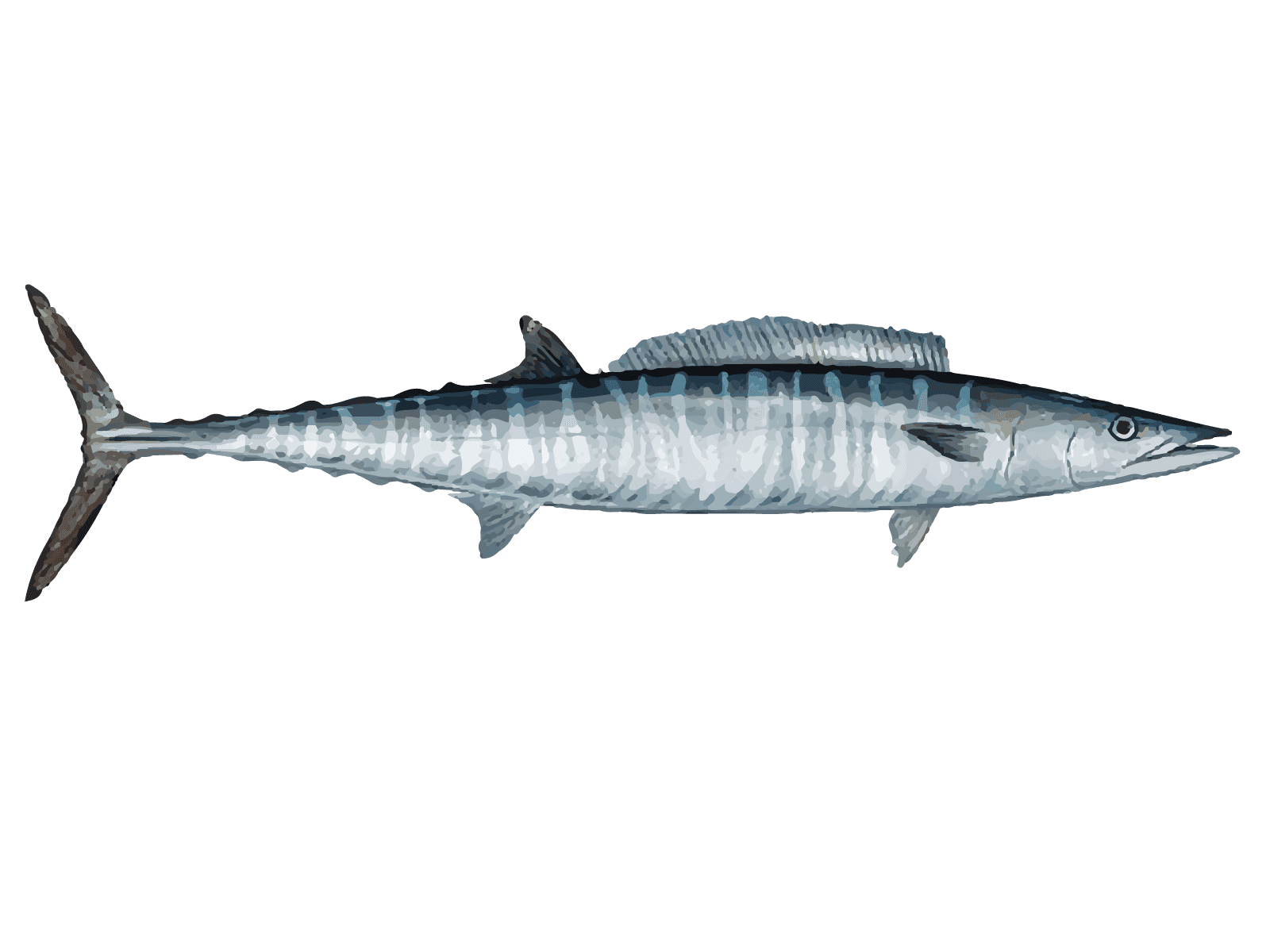
 Wahoo Fish
- Half-day inshore charter targeting redfish, trout, and flounder
- Professional instruction on tides, presentations, and local patterns
- Maximum 3 guests with gear, licenses, and cleaning included
Trip Pricing and Availabilities:
Half-Day Advanced Inshore Charter – Murrells Inlet
Looking to step up your inshore game? This half-day charter in Murrells Inlet is built for anglers who know their way around a rod but want to push their skills further. Captain Cush runs a tight ship when it comes to technique, and you'll spend your time dialing in precision presentations and reading water like a pro. We're talking about the kind of fishing that separates weekend warriors from serious stick handlers – pattern recognition, tide timing, and putting fish in the boat when conditions get technical. Your group of up to three anglers gets personalized attention on some of the most consistent inshore waters along the South Carolina coast, with all the gear, bait, and licenses handled so you can focus on what matters most.
What to Expect on the Water
This isn't your typical tourist charter – we're going after fish using methods that actually work, not just what looks good in photos. You'll start by learning how to position yourself relative to structure and current, then work on presentation techniques that trigger strikes from pressured fish. Captain Cush knows every creek mouth, oyster bar, and drop-off in Murrells Inlet, and he'll show you how to read the subtle signs that separate productive water from dead zones. The boat stays positioned for optimal casting angles, and you'll rotate through different techniques as conditions change throughout the trip. Expect to cover some serious ground as we chase bite windows and adjust tactics based on what the fish are telling us. This is hands-on fishing education combined with solid action – you'll walk away with techniques you can use anywhere you fish inshore waters.
Tactics and Technique Focus
We're running professional-grade tackle matched to specific presentations – no generic setups here. You'll learn how to work soft plastics with surgical precision, understanding when to hop, drag, or swim your baits based on bottom composition and fish behavior. Live bait fishing gets the same technical treatment, with proper rigging for different species and situations. The captain emphasizes reading your rod tip and feeling what's happening below, skills that translate to better hookup ratios and fewer pulled hooks. We'll cover structure fishing around docks, jetties, and natural features, plus open water techniques for cruising schools. Each angler gets individual coaching on casting accuracy, retrieve speeds, and recognizing the subtle taps and line movements that signal feeding fish. The goal is building muscle memory and confidence that improves your fishing long after this trip ends.
Top Catches This Season
Redfish are the backbone of Murrells Inlet's inshore scene, and these copper-colored bruisers provide some of the most consistent action you'll find. They patrol the shallows year-round, with peak activity during moving tides when they ambush baitfish around structure. These fish average 20-28 inches in our waters, with occasional bulls pushing 35+ inches that'll test your drag system and technique. What makes reds special is their willingness to eat artificials when presented properly – they reward precision casting and natural presentations, making them perfect targets for skill-building sessions.
Blacktip sharks bring explosive surface action that gets every angler's attention. These athletic predators cruise the inlet and nearshore waters, especially during warmer months when bait concentrations peak. They're built for speed and acrobatics, often launching completely clear of the water when hooked. Blacktips typically run 3-6 feet in our area, providing serious fights on appropriate tackle. They're also excellent indicators of bait presence and water quality – when blacktips are around, you know you're fishing productive water that holds multiple species.
Spanish mackerel show up in serious numbers during their peak season, forming feeding schools that create some of the fastest action you'll experience. These silver bullets hit moving baits with authority and provide non-stop entertainment when you locate active schools. They're perfect for practicing reaction strike techniques and understanding how pelagic species behave differently from bottom-oriented fish. Most Spanish run 14-20 inches, making them ideal for working on fighting technique without the marathon battles of larger species.
Red snapper opportunities depend on regulations and seasons, but when they're available, these reef-dwelling fighters provide some of the most satisfying action in our waters. They require precise bottom presentations and quick hooksets, skills that translate well to other structure-oriented species. Reds are notorious for their hard initial runs and dogged fights near cover, teaching anglers how to apply pressure effectively while avoiding cutoffs.
Wahoo represent the speed demons of our target list, capable of blistering runs that'll straighten hooks and snap lines if you're not prepared. These pelagic predators require specific techniques and tackle setups, but when everything clicks, they provide some of the most memorable fights you'll experience. Their presence near Murrells Inlet varies seasonally, but when conditions align, they offer advanced anglers a chance to test their skills against world-class gamefish.
Time to Book Your Spot
This advanced charter fills up quickly because serious anglers recognize the value of personalized instruction combined with productive fishing time. You're getting access to decades of local knowledge, professional equipment, and waters that consistently produce quality fish. The techniques you'll learn apply to inshore fishing anywhere, making this more than just a charter – it's an investment in your angling future. Captain Cush's approach focuses on sustainable fishing practices and species conservation, ensuring these waters stay productive for future generations. Fish cleaning services are available when regulations allow harvest, so you can take home dinner along with improved skills. Book now to secure your spot on one of the most educational and productive inshore charters available along the South Carolina coast.
Learn more about the species
Blacktip Shark
Blacktips are some of the most exciting sharks you'll encounter in our waters. These sleek predators average 3-5 feet but can hit 8 feet, and they're known for those distinctive black-tipped fins. They patrol the edges of structure in 30-100 feet of water, especially around artificial reefs and jetties. Summer months bring the best action when they're feeding heavily on mackerel and herring. What guests love is their acrobatic fight - these sharks will jump clean out of the water multiple times. They're also surprisingly social, often showing up in small groups. Here's my trick: use a heavy braided line with circle hooks and fresh, oily bait like mackerel. Start your chum slick early and be patient - once they find it, the action gets fast.
Red Snapper
Red snappers are the ultimate bottom dwellers and a true trophy catch. These crimson beauties average 15-25 inches but can push 3 feet and 35 pounds. They live around hard structure in 60-200 feet - think wrecks, reefs, and rocky ledges. Summer is prime time when they're most active and feeding heavily. What anglers love is their bulldog fight - they'll head straight for cover and test your drag. The eating quality is outstanding too, with that sweet, nutty flavor that makes them restaurant favorites. Here's my trick: drop fresh cigar minnows or live pinfish right to the bottom and keep steady pressure. The moment you feel that thump, set the hook hard and start cranking. Don't give them a chance to reach structure or they'll cut you off.
Redfish
Redfish are the bread and butter of our inshore waters here. These copper-colored beauties average 20-30 inches and love hanging in 1-4 feet of water around oyster bars, grass flats, and creek mouths. You'll spot them by those signature black spots near their tails. They're year-round residents, but fall and spring offer the best action when they school up. What makes them special is their powerful fight - they'll drag you around the shallows and make your reel sing. Plus, they're excellent table fare with that sweet, flaky meat. My go-to tip: when you see them tailing in skinny water, cast your shrimp or soft plastic well ahead of where they're headed and let it sit still. They spook easy but can't resist a perfectly placed bait.
Spanish Mackerel
Spanish mackerel are some of our most reliable action fish, schooling in huge numbers during their runs. These silver speedsters average 1-2 feet and 2-3 pounds, marked by distinctive yellow spots along their sides. They cruise near the surface around jetties, piers, and nearshore reefs, typically in 10-40 feet of water. Spring through fall brings the best fishing when they migrate through our area. What guests love is the fast-paced action - when you find a school, it's game on. They're also excellent eating with mild, flaky meat that's perfect grilled or smoked. My tip: light tackle with small shiny spoons or jigs works best. Cast into the feeding schools and retrieve fast - these fish respond to speed and flash. Keep moving until you locate them feeding on the surface.
Wahoo Fish
Wahoo are the speed demons of the offshore world, hitting speeds up to 60 mph. These streamlined fish average 3-5 feet with that distinctive blue-striped silver body and razor-sharp teeth. They cruise open water around 60 feet deep, often near floating debris or temperature breaks. Summer through fall gives us the best shots when they move closer to shore. What makes them special is that blistering initial run - they'll strip line like nothing else. The meat is top-shelf too, white and flaky with a mild flavor that's perfect for grilling. My secret: high-speed trolling at 12-15 knots with wire leaders is key. Those teeth will slice through anything else. Fresh ballyhoo behind a diving plug works magic, especially around dawn.
About the 25" Carolina Skiff
%2F%2Fusers%2F52a04e1e-1fc4-4290-b875-6c2c4003c808%2Fvehicle_picture%2Fboat-mlk6ippr.jpg&w=1920&q=75)
Vehicle Guest Capacity: 5
Manufacturer Name: 2025 Yamaha 200hp Outboard
Maximum Cruising Speed: 40
Number of Engines: 1
Horsepower per Engine: 200