%2Ffit-in%2F250x250%2Fguide_websites%2F119299%2Fimages%2F17709570666761111-removebg-preview.png&w=1200&q=100)
/users/52a04e1e-1fc4-4290-b875-6c2c4003c808/ratecard/professional-fishing-guide-murrells-inlet-mlk8n6yf.jpg)
%2F300x300%2Fusers%2F52a04e1e-1fc4-4290-b875-6c2c4003c808%2Fratecard%2Fprofessional-fishing-guide-murrells-inlet-mlk8n6yf.jpg&w=256&q=75)
%2F300x300%2Fusers%2F52a04e1e-1fc4-4290-b875-6c2c4003c808%2Fimages%2Fwahoo-fish-murrells-inlet-fishing-2692.jpg&w=256&q=75)
%2F300x300%2Fusers%2F52a04e1e-1fc4-4290-b875-6c2c4003c808%2Fimages%2Fredfish-fishing-tour-murrells-inlet-2377.jpg&w=256&q=75)
%2F300x300%2Fusers%2F52a04e1e-1fc4-4290-b875-6c2c4003c808%2Fimages%2Fredfish-murrells-inlet-fishing-tour-2429.jpg&w=256&q=75)
%2F300x300%2Fusers%2F52a04e1e-1fc4-4290-b875-6c2c4003c808%2Fimages%2Fredfish-fishing-tour-sc-2425.jpg&w=256&q=75)
%2F300x300%2Fusers%2F52a04e1e-1fc4-4290-b875-6c2c4003c808%2Fimages%2Fblackfin-tuna-murrells-inlet-2668.jpg&w=256&q=75)
%2F300x300%2Fusers%2F52a04e1e-1fc4-4290-b875-6c2c4003c808%2Fimages%2Fgreat-fishing-tour-sc-2630.jpg&w=256&q=75)
%2F300x300%2Fusers%2F52a04e1e-1fc4-4290-b875-6c2c4003c808%2Fimages%2Ftwo-black-drum-redfish-sc-2490.jpg&w=256&q=75)
%2F300x300%2Fusers%2F52a04e1e-1fc4-4290-b875-6c2c4003c808%2Fimages%2Ffishing-tour-adventure-sc-2722.jpg&w=256&q=75)
%2F300x300%2Fusers%2F52a04e1e-1fc4-4290-b875-6c2c4003c808%2Fimages%2Fredfish-caught-murrells-inlet-2514.jpg&w=256&q=75)
%2F300x300%2Fusers%2F52a04e1e-1fc4-4290-b875-6c2c4003c808%2Fimages%2Fredfish-catch-south-carolina-2467.jpg&w=256&q=75)
Family Inshore Fishing Murrells Inlet SC

 Murrells Inlet, SC
What you will be catching:
 Bluefish
 Redfish
 Sea Trout
 Southern Flounder
 Spanish Mackerel
- Family-friendly inshore fishing targeting redfish, flounder, and trout
- Small group experience with personalized instruction for all ages
- Expert captain guidance in productive tidal waters and oyster beds
Trip Pricing and Availabilities:
Murrells Inlet Family Inshore Fishing Adventure
Looking for the perfect way to get your family hooked on fishing? This top-rated inshore charter out of Murrells Inlet puts you right in the heart of South Carolina's most productive fishing waters. Captain Cush knows these backwaters like the back of his hand, and he's built this trip specifically for families who want to experience real fishing without the intimidation factor. Whether you're dealing with first-timers or seasoned anglers, this three-person max charter gives everyone plenty of room to cast, learn, and land some serious fish. The protected inshore waters mean comfortable conditions, and the variety of species keeps things exciting from start to finish.
What to Expect on the Water
Your day starts in the famous Murrells Inlet, where Captain Cush will have everything rigged and ready to go. This isn't some cookie-cutter fishing trip – you'll be working the productive tidal creeks, oyster beds, and grass lines that make this area a renowned hot spot for inshore species. The beauty of inshore fishing here is the variety. One cast you're pulling a feisty redfish from the spartina grass, the next you're working a flounder off an oyster bar. The captain keeps the group small at just three guests, so everyone gets personalized attention and plenty of chances to get on the rod. Kids love the action-packed nature of inshore fishing, while adults appreciate the technique and local knowledge that goes into reading these waters. You'll spend your time in the protected sounds and creeks, which means comfortable fishing even when the ocean gets rough.
Inshore Tactics & Gear Setup
Captain Cush runs a clean operation with quality tackle suited for the inshore game. You'll be using medium-action spinning rods perfect for the variety of species these waters hold. Live bait is the name of the game here – fresh shrimp, mud minnows, and finger mullet that the fish can't resist. The captain knows exactly where to position the boat based on tides, structure, and seasonal patterns. You'll learn to work different techniques throughout the day, from sight fishing the grass beds for tailing redfish to bottom fishing the oyster bars for flounder. The boat is equipped with a shallow-water anchor system that lets you hold position in the skinny water where these fish love to feed. All rods, reels, tackle, and bait are included, so you just need to show up ready to fish. The captain provides instruction on everything from casting technique to proper fish handling, making this a great learning experience for the whole family.
What Anglers Are Saying
"We had a great morning fishing with Captain Tom. We had almost no fishing experience. He had so much information about the area that he shared with us. We fished in the inlet and went out into the ocean. Captain Tom had everything we needed, set up all the rods and helped us the whole time. We caught several different types of fish. It was a great experience for us and we'll definitely do it again!" - Carlotta
Species You'll Want to Hook
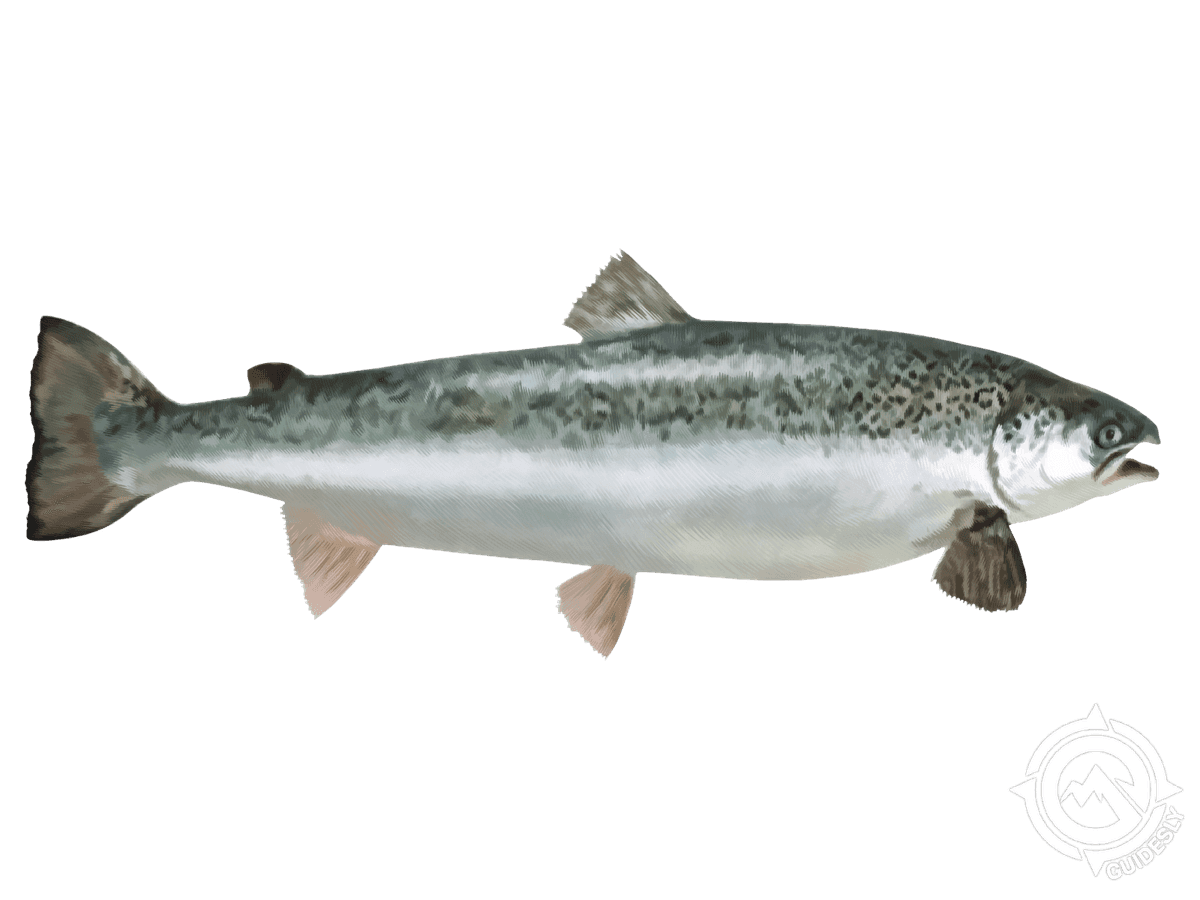
Sea Trout, also known as Speckled Trout, are one of the most exciting inshore targets in Murrells Inlet waters. These beautiful fish love the grass beds and drop-offs around the inlet, especially during moving tides. They typically run 14-20 inches here, with some reaching the 24-inch mark. Spring through fall offers the best action, with early morning and late afternoon producing the most strikes. What makes trout fishing so addictive is their willingness to hit artificial lures and their spirited fight once hooked. They have a soft mouth, so you'll learn proper technique to keep them pinned.
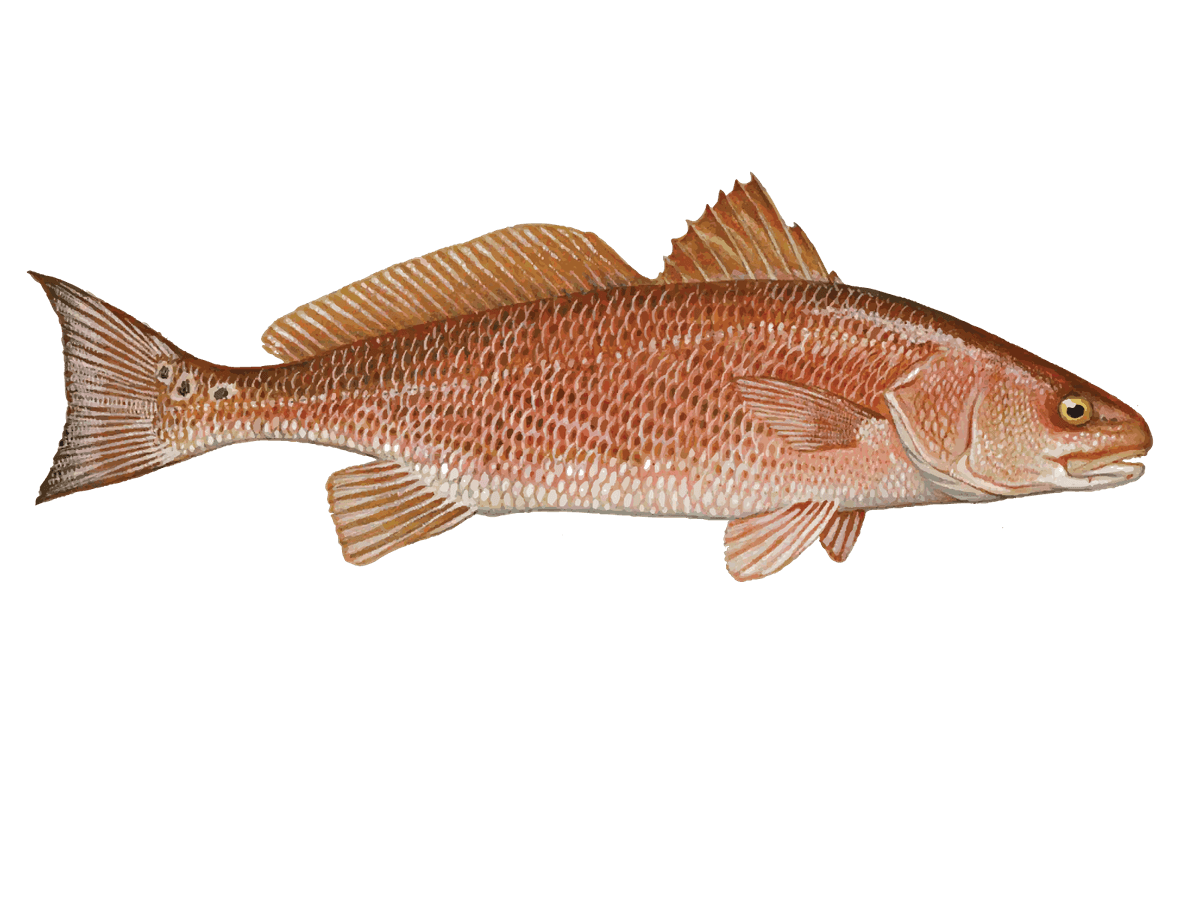
Redfish are the crown jewel of South Carolina inshore fishing, and Murrells Inlet holds some beautiful fish. These copper-colored bruisers love the oyster bars, creek mouths, and spartina grass edges. Most fish here run 20-28 inches, right in that sweet spot for great fights without being too big for kids to handle. Redfish feed year-round in these waters, but fall brings the best action when they school up. There's nothing quite like watching a redfish tail in shallow water – it gets your heart pumping every time. They're also one of the best eating fish in these waters when kept within regulations.
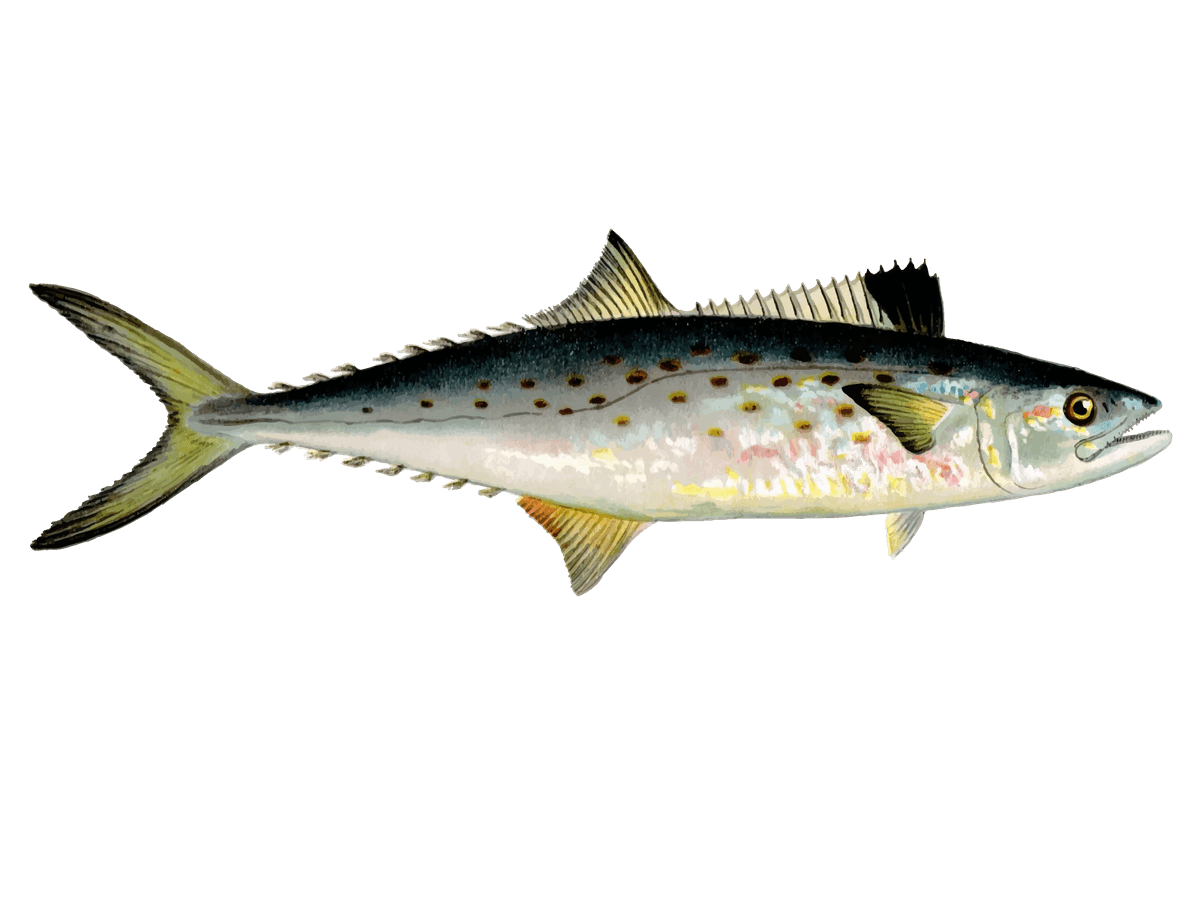
Spanish Mackerel show up in impressive numbers during their seasonal runs, typically from late spring through early fall. These speed demons average 12-18 inches and provide non-stop action when they're around. They love structure and moving water, making the inlet mouth and nearby reefs perfect hunting grounds. Spanish mackerel hit fast and fight hard, making them a customer favorite for families. Their aggressive nature means multiple hookups are common, and they're excellent table fare when prepared fresh.
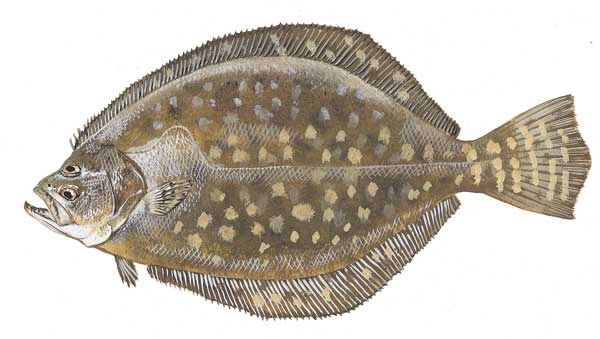
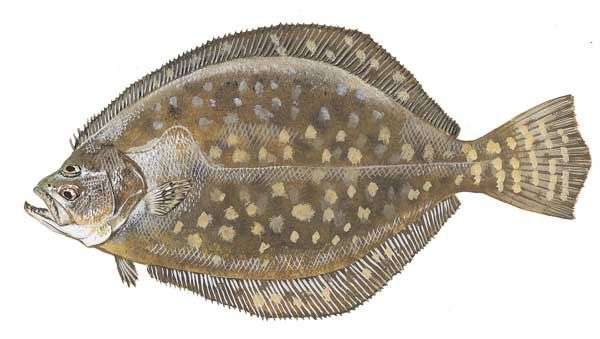
Southern Flounder are the ultimate inshore challenge fish. These flatfish masters of camouflage hang around oyster bars, creek bends, and sandy bottoms throughout the inlet system. Most flounder here run 14-18 inches, with some reaching the 20-inch mark. Fall is prime time for flounder fishing, especially around structure changes and moving tides. What makes flounder fishing exciting is the technique – you'll learn to feel the subtle bite and proper hookset. They're also considered one of the best eating fish in South Carolina waters.
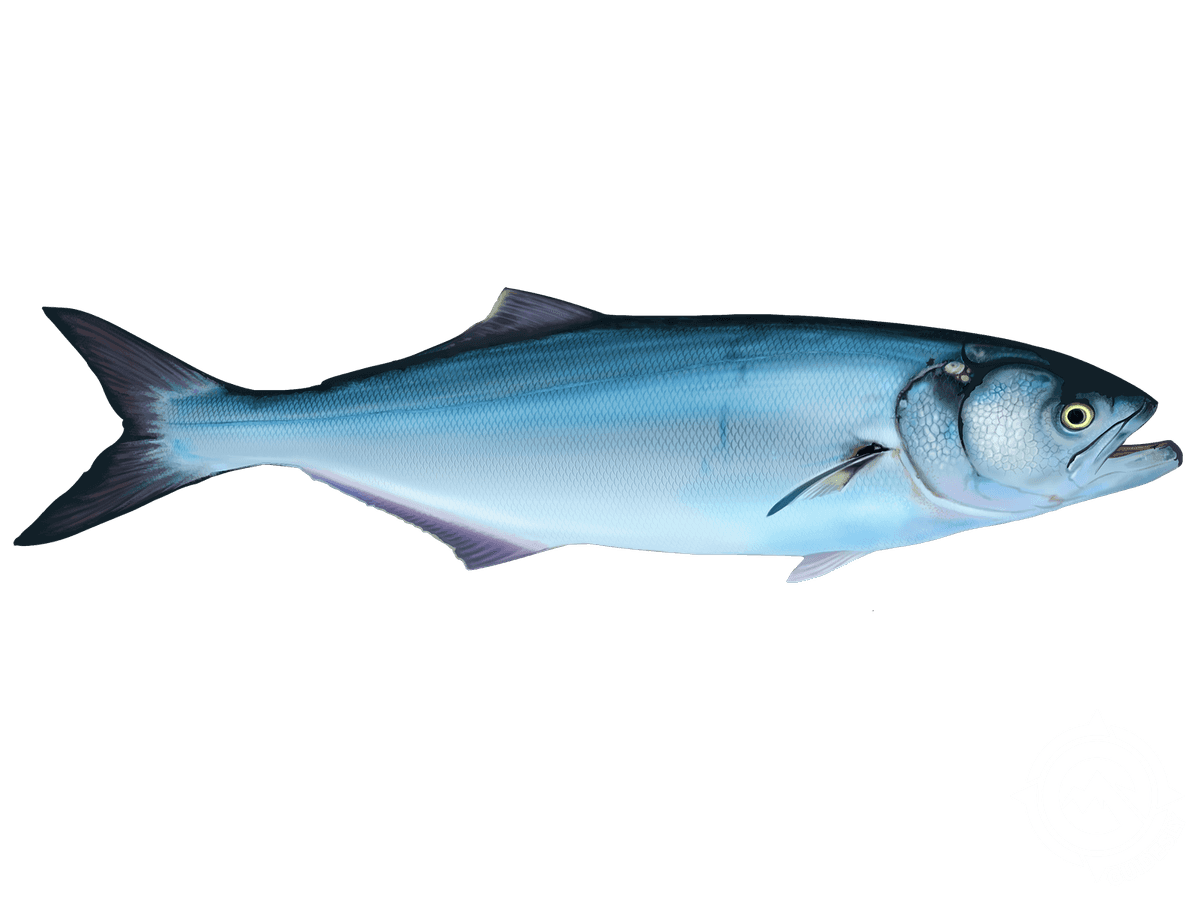
Bluefish round out the target species list with their aggressive feeding and hard fights. These toothy predators typically show up during their seasonal migrations, often feeding in schools that create exciting surface action. Bluefish here average 12-16 inches, perfect size for family fishing. They're known for their willingness to hit both live bait and artificials, and their aggressive nature means fast action when you find them. While they're excellent fighters, proper handling is important due to their sharp teeth – something the captain will teach you about fish safety.
Time to Book Your Spot
This family-
Customer Review
Great Captain Tom Trip

Carlotta Myers
April 17, 2025
Learn more about the animals
Bluefish
Blues are aggressive fighters that show up in big schools, usually running 2-10 pounds around Murrells Inlet. These silver-blue predators love chasing bait in open water and around jetties, typically in 15-40 feet during summer months. When they're feeding, the water looks like it's boiling - we call it a "bluefish blitz." Guests get hooked on the fast action and strong fights, plus smaller blues under 5 pounds make decent table fare when bled and iced quickly. They'll hit just about anything - spoons, jigs, cut bait, you name it. Fair warning though: they have razor-sharp teeth, so we always use wire leaders. My best tip is to look for diving birds and bait getting pushed to the surface. When you find a school feeding, work the edges rather than casting right into the middle - you'll get more strikes and won't spook the whole bunch.
Redfish
Red drum are the bread and butter of our inshore trips, typically running 20-35 inches with some real bruisers pushing 40+ inches. These copper-colored fighters love super shallow water - we're talking 1-4 feet around oyster beds, grass flats, and creek mouths. Spring and fall are prime time when they're most active, but we catch them year-round. What makes reds special is their powerful runs and that distinctive black spot near the tail. Kids get a kick out of seeing their backs sticking out of the water in skinny areas. They're great eating too, with firm white meat that grills perfectly. Here's the trick: when you see a red tailing or cruising shallow, cast well ahead of where it's going and let your bait settle. They spook easily in thin water, so patience pays off big time.
Sea Trout
Speckled trout are one of our most reliable inshore targets, running 14-24 inches and averaging 1-5 pounds around Murrells Inlet. You'll find them cruising grass flats, oyster bars, and shallow creek mouths in 2-6 feet of water. Spring through fall offers the best action, especially during moving tides when they're actively feeding on shrimp and small baitfish. Families love trout fishing because they bite readily on live shrimp or soft plastics, making them perfect for kids and beginners. They're also excellent table fare with mild, flaky white meat. Pro tip: work your bait slowly along the bottom near grass edges - trout often hold right at the transition zone where grass meets sand, and a subtle twitch of your rod tip can trigger strikes when they're being finicky.
Southern Flounder
Southern flounder are the ultimate ambush predators, lying flat on sandy and muddy bottoms waiting to grab whatever swims by. Most run 15-18 inches, but we catch some nice ones up to 25+ inches that really bend the rod. You'll find them in shallow bays, creek mouths, and around structure in 3-15 feet of water. Fall is prime time when they're moving toward deeper water to spawn. What's cool about flounder is watching kids' faces when they see both eyes on one side of the fish - it's like catching an alien! They're also some of the best eating fish in the water with sweet, white meat. The key is fishing slow and staying in contact with the bottom. Use a Carolina rig with live mud minnows or finger mullet, and when you feel that subtle tap, give them a few seconds to turn the bait before setting the hook.
Spanish Mackerel
Spanish mackerel are speed demons that'll test your reflexes, averaging 1-2 feet long and weighing 2-8 pounds around here. These silvery torpedoes with yellow spots show up from late spring through early fall, usually found in 10-30 feet of water around structure, jetties, and near-shore reefs. They travel in big schools and are some of the fastest fish in the ocean, so when you find them, the action gets wild fast. Guests love the non-stop bite and how good they taste - mild, flaky meat that's perfect grilled or smoked. They'll hit small spoons, jigs, and live bait like crazy. My go-to trick is trolling small Clark spoons at about 4-6 knots around structure. When you hook up, keep the boat moving because the rest of the school will follow, and you can often catch several before they disappear.
About the 25" Carolina Skiff
%2F%2Fusers%2F52a04e1e-1fc4-4290-b875-6c2c4003c808%2Fvehicle_picture%2Fboat-mlk6ippr.jpg&w=1200&q=75)
Vehicle Guest Capacity: 5
Manufacturer Name: 2025 Yamaha 200hp Outboard
Maximum Cruising Speed: 40
Number of Engines: 1
Horsepower per Engine: 200

We had a great morning fishing with Captain Tom. We had almost no fishing experience. He had so much information about the area that he shared with us. We fished in the inlet and went out into the ocean. Captain Tom had everything we needed, set up all the rods and helped us the whole time. We caught several different types of fish. It was a great experience for us and we'll definitely do it again!