%2Ffit-in%2F250x250%2Fguide_websites%2F119299%2Fimages%2F17709570666761111-removebg-preview.png&w=1920&q=100)
/users/52a04e1e-1fc4-4290-b875-6c2c4003c808/ratecard/south-carolina-fishing-charter-murrells-inlet-mlk801zi.jpg)
%2F300x300%2Fusers%2F52a04e1e-1fc4-4290-b875-6c2c4003c808%2Fratecard%2Fsouth-carolina-fishing-charter-murrells-inlet-mlk801zi.jpg&w=256&q=75)
%2F300x300%2Fusers%2F52a04e1e-1fc4-4290-b875-6c2c4003c808%2Fimages%2Fwahoo-fish-murrells-inlet-fishing-2692.jpg&w=256&q=75)
%2F300x300%2Fusers%2F52a04e1e-1fc4-4290-b875-6c2c4003c808%2Fimages%2Fredfish-fishing-tour-murrells-inlet-2377.jpg&w=256&q=75)
%2F300x300%2Fusers%2F52a04e1e-1fc4-4290-b875-6c2c4003c808%2Fimages%2Fredfish-murrells-inlet-fishing-tour-2429.jpg&w=256&q=75)
%2F300x300%2Fusers%2F52a04e1e-1fc4-4290-b875-6c2c4003c808%2Fimages%2Fredfish-fishing-tour-sc-2425.jpg&w=256&q=75)
%2F300x300%2Fusers%2F52a04e1e-1fc4-4290-b875-6c2c4003c808%2Fimages%2Fblackfin-tuna-murrells-inlet-2668.jpg&w=256&q=75)
%2F300x300%2Fusers%2F52a04e1e-1fc4-4290-b875-6c2c4003c808%2Fimages%2Fgreat-fishing-tour-sc-2630.jpg&w=256&q=75)
%2F300x300%2Fusers%2F52a04e1e-1fc4-4290-b875-6c2c4003c808%2Fimages%2Ftwo-black-drum-redfish-sc-2490.jpg&w=256&q=75)
%2F300x300%2Fusers%2F52a04e1e-1fc4-4290-b875-6c2c4003c808%2Fimages%2Ffishing-tour-adventure-sc-2722.jpg&w=256&q=75)
%2F300x300%2Fusers%2F52a04e1e-1fc4-4290-b875-6c2c4003c808%2Fimages%2Fredfish-caught-murrells-inlet-2514.jpg&w=256&q=75)
%2F300x300%2Fusers%2F52a04e1e-1fc4-4290-b875-6c2c4003c808%2Fimages%2Fredfish-catch-south-carolina-2467.jpg&w=256&q=75)
Half Day Inshore Fishing Murrells Inlet SC

 Murrells Inlet, SC
What you will be catching:
 Black Drum
 Blacktip Shark
 Bluefish
 Redfish
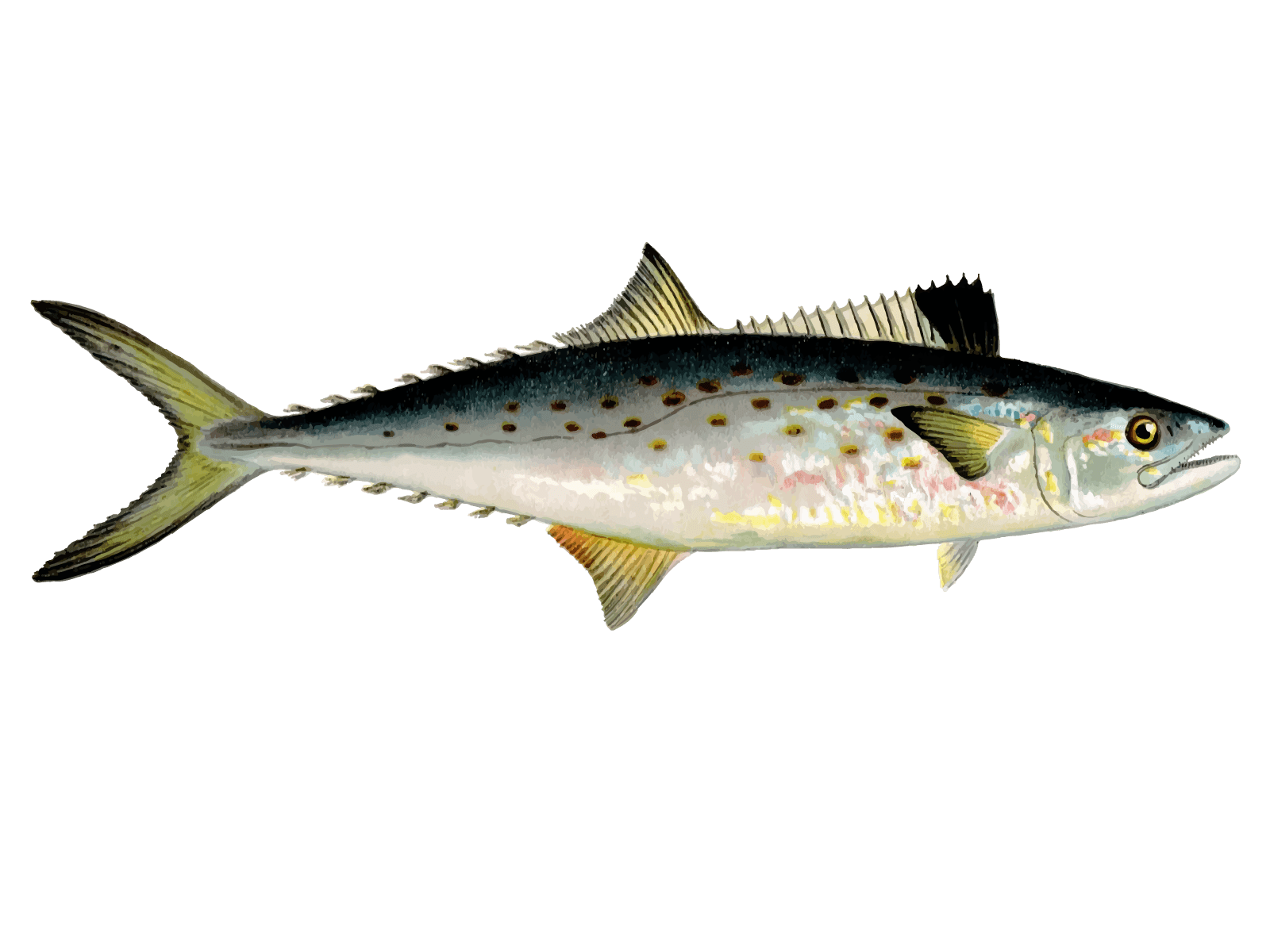
 Spanish Mackerel
- Half-day morning charter targeting Flounder, Redfish, and Speckled Trout
- Small group fishing (maximum 3 anglers) in prime summer locations
- Expert captain provides local knowledge of tides and optimal conditions
Trip Pricing and Availabilities:
Half-Day Murrells Inlet Inshore Fishing Charter
Captain Cush knows these waters like the back of his hand, and this half-day morning charter puts you right in the heart of Murrells Inlet's best inshore and nearshore action. From June through August, when the water warms up and fish get active, you'll work the tidal creeks, grass lines, and oyster beds where flounder, redfish, and speckled trout love to hang out. This isn't some cookie-cutter fishing trip – it's a hands-on experience with a local captain who's spent years figuring out where the fish are biting and when they're most likely to cooperate.
What to Expect on the Water
Your morning starts early, which is exactly when you want to be fishing these waters. Captain Cush runs a tight ship with space for up to three anglers, so you're not crowded and everyone gets plenty of attention. The boat stays comfortable while you move between spots, hitting everything from shallow creek mouths to deeper nearshore structure. You'll fish different techniques depending on what's working – maybe live bait around oyster bars for redfish, or working soft plastics through grass beds for flounder. The beauty of this trip is the variety. One minute you're sight-casting to tailing reds in skinny water, the next you're bouncing bottom for keeper flounder. Captain Cush reads the conditions and adjusts the game plan, which is exactly what separates the good guides from the great ones.
Techniques & Prime Fishing Spots
Murrells Inlet's inshore waters offer incredible diversity, and Captain Cush knows how to fish them all. You'll work tidal creeks during moving water, when redfish push up to feed along oyster beds and grass lines. Flounder fishing happens around structure – docks, drop-offs, and channel edges where these ambush predators wait for baitfish. For speckled trout, it's all about finding the right grass beds and water temperature. Captain Cush provides all the tackle and knows which baits work best for each species. Live shrimp, finger mullet, and artificial lures all have their place depending on conditions. The nearshore component adds another dimension, targeting structure in 15-30 feet of water where Spanish mackerel, bluefish, and even blacktip sharks cruise. You're not just fishing one spot all morning – you're covering water and learning how different fish use different parts of the ecosystem.
What Anglers Are Saying
"Captain Tom took us out for an excellent morning on the water where all the kids and adults had a blast. We had our first experience with a fish that was too big to keep when we hooked two red fish at the same time. One made it into the boat while the other got bit in half by a shark before breaking the surface. We managed to snag a few sharks as well including a big spinner shark that gave us an excellent display before slipping the hook. Nothing to keep and eat but great stories. The too big Red fish gains at least 5 pounds every time a boy tells the story." - Cameron
"This trip exceeded our expectations! My son (15), daughters boyfriend (18) and I were very excited for this trip. Captain Cush was very knowledgeable on the areas to fish and we had a 18inch keeper on the boat within 15 mins of being on the water. Captain Cush showed us the tips and tricks for each area we fished and reeled in multiple flounder and was able to put 5 keepers in the cooler and made for a couple great sandwiches that afternoon! Will definitely be booking again next year." - Robert
"Captain Tom found the fish in the unusual back water spots. No other boats but lots of fish! We caught more than enough to feed 16 that evening. Very fun trip!" - Tony
Target Species Breakdown
Redfish are the bread and butter of Murrells Inlet inshore fishing, and summer months bring some of the most consistent action of the year. These copper-colored bruisers love shallow water, especially around oyster beds and grass flats during incoming tides. You'll find them in water so shallow their backs are showing, tailing as they root around for crabs and shrimp. A slot-size red (15-23 inches) fights like nothing else in shallow water, making blistering runs and using every oyster bar and grass bed to try to break you off. Captain Cush knows exactly where to find them based on tide, wind, and water temperature.
Blacktip sharks add serious excitement to any inshore trip, and Murrells Inlet's waters hold plenty of them during summer months. These sharks cruise nearshore waters and tidal creeks, following baitfish and picking off wounded fish. When you hook a blacktip, you know it immediately – they jump repeatedly and make long, powerful runs that test your drag and your nerve. Most blacktips caught inshore run 2-4 feet, perfect size for a great fight without being overwhelming. They're catch-and-release fish that provide some of the most memorable moments of any fishing trip.
Spanish mackerel show up in numbers during summer, especially around nearshore structure and bait schools. These speed demons hit hard and fast, often jumping multiple times during the fight. They're perfect light-tackle fish, typically running 1-3 pounds with razor-sharp teeth and blazing speed. Spanish mackerel are excellent table fare when handled properly, and they're aggressive enough that even novice anglers can hook up consistently when you find a school.
Bluefish are another nearshore favorite, known for their aggressive feeding and hard-fighting nature. Summer blues in these waters typically run 2-8 pounds, big enough to bend rods and make drag sing. They travel in schools and when you find them feeding, the action can be non-stop. Bluefish have serious teeth and attitude to match – they'll hit anything that
Customer Reviews
Shark Tales & Big Fish

Cameron Mcleod
June 25, 2025
Five Keepers in Cooler
This trip exceeded our expectations! My son (15), daughters boyfriend (18) and I were very excited for this trip. Captain Cush was very knowledgeable on the areas to fish and we had a 18inch keeper on the boat within 15 mins of being on the water. Captain Cush showed us the tips and tricks for each area we fished and reeled in multiple flounder and was able to put 5 keepers in the cooler and made for a couple great sandwiches that afternoon! Will definitely be booking again next year.
Robert Hawthorne
August 1, 2025
Secret Spots Big Catch
Captain Tom found the fish in the unusual back water spots. No other boats but lots of fish! We caught more than enough to feed 16 that evening. Very fun trip!
Tony DiMauro
June 26, 2025
Fifty Years Best Trip
Took my young daughter out. Captain Cush made the trip great for her. I have been fishing for 50 plus years, this was one of the most fun trips ever.
Dennis Johnson
April 24, 2025
Learn more about the species
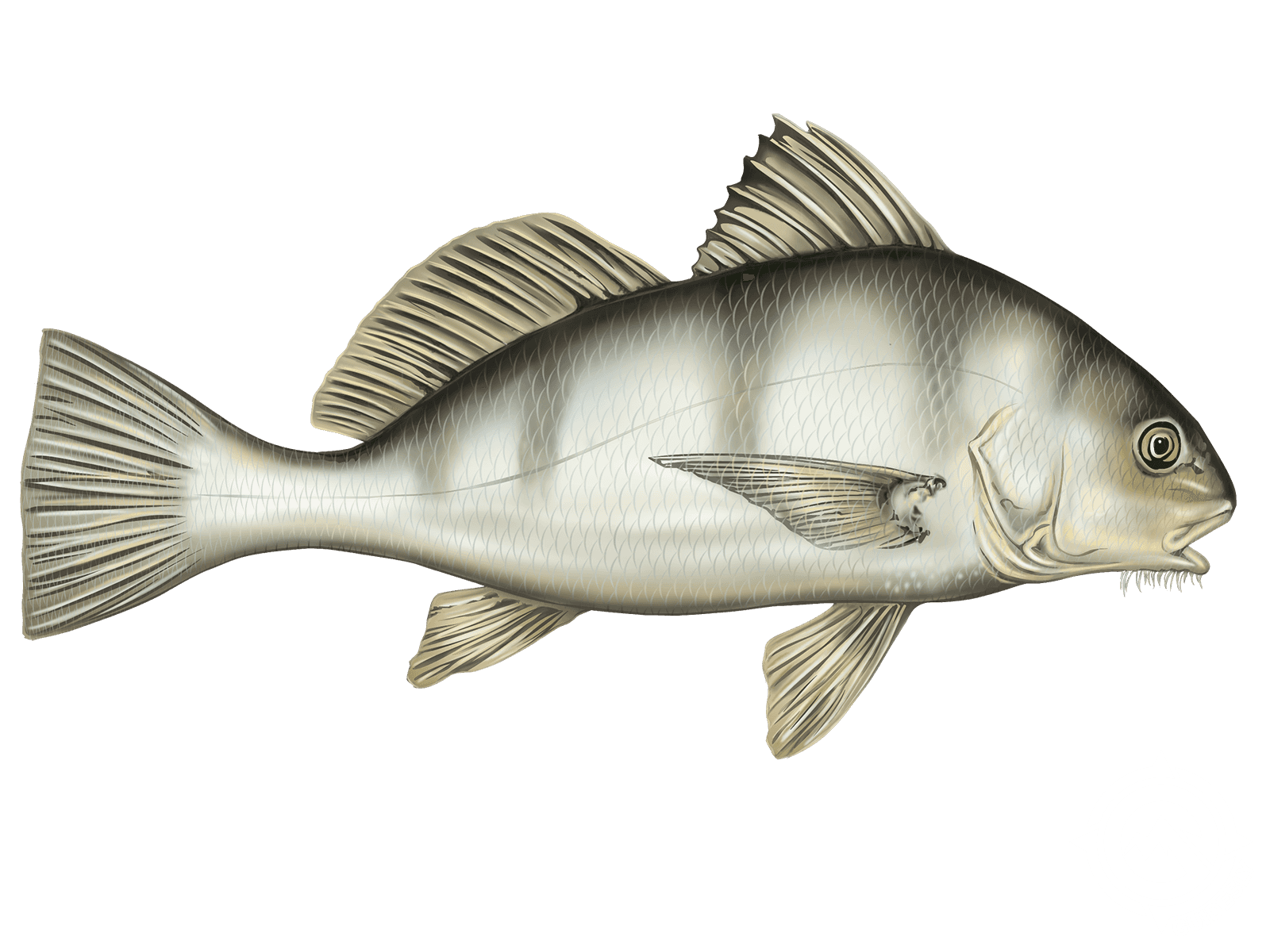
Black Drum
Black drum are the bulldogs of inshore fishing - powerful, stubborn fighters that can really test your tackle. These gray-black fish range from 5-30 pounds locally, with the occasional giant pushing 50+ pounds. They love hanging around oyster beds, muddy flats, and creek mouths where they crush shellfish with their strong jaws. Spring is prime time when they school up for spawning, making them easier to locate. What guests enjoy most is the steady, powerful fight - no flashy jumps, just pure muscle. Smaller ones under 15 pounds are excellent eating. The secret is fresh crab bait fished right on the bottom near oyster structure. Use heavy tackle and be patient - when a big drum picks up your bait, you'll know it immediately.
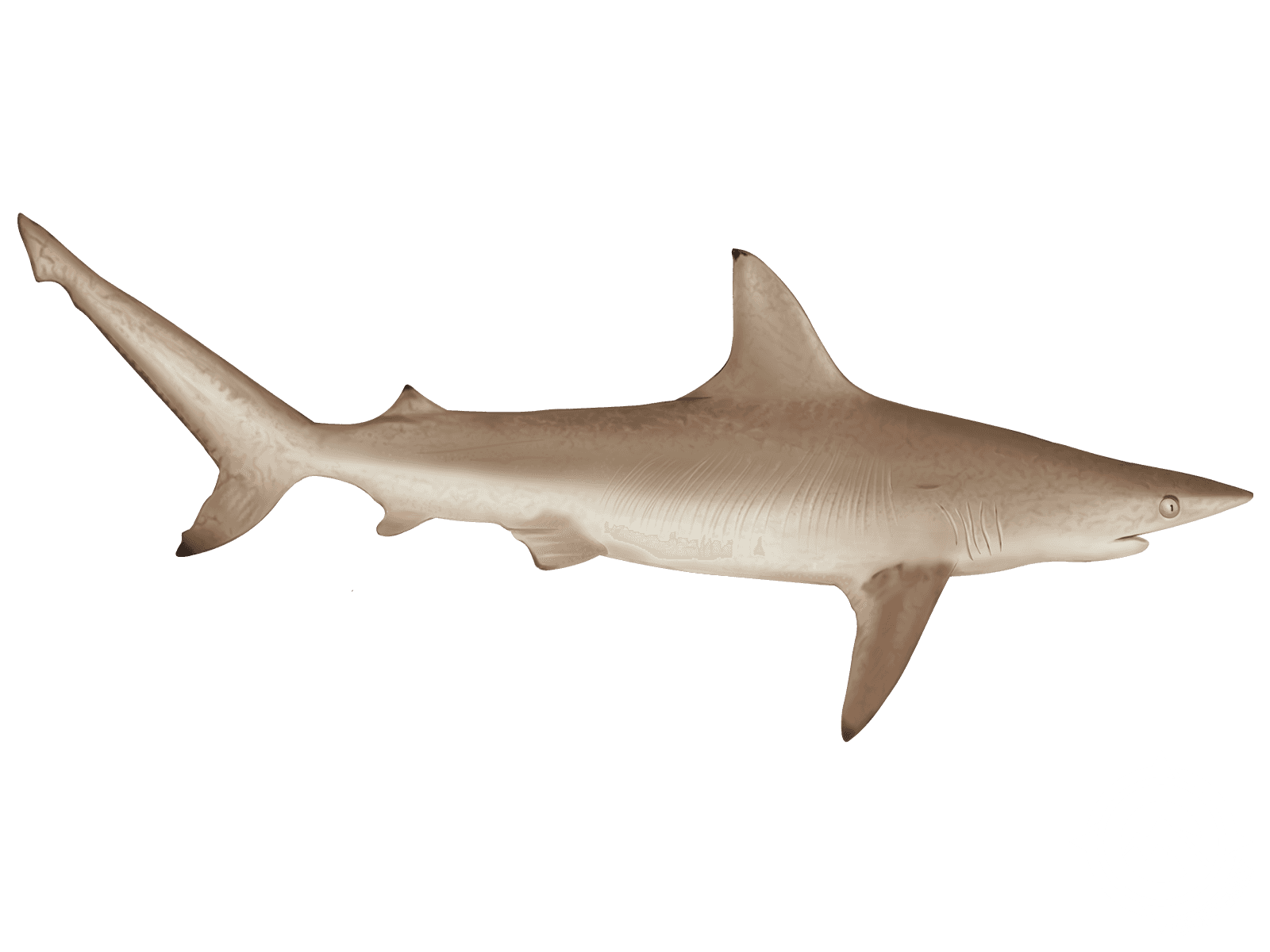
Blacktip Shark
Blacktips are exciting fish that show up in our nearshore waters during summer months. These sharks average 4-5 feet but can reach up to 9 feet, with those telltale black-tipped fins that give them their name. They hang out in 30-100 feet of water around structure and drop-offs, though they'll cruise shallower bays too. What makes them fun to target is their acrobatic nature - they'll jump clean out of the water when hooked. They're pretty social fish that travel in groups, which means when you find one, there's usually more around. My go-to method is using fresh cut mackerel or bluefish on circle hooks with heavy tackle. Set up a good chum slick and be patient - once they show up, the action can get wild.
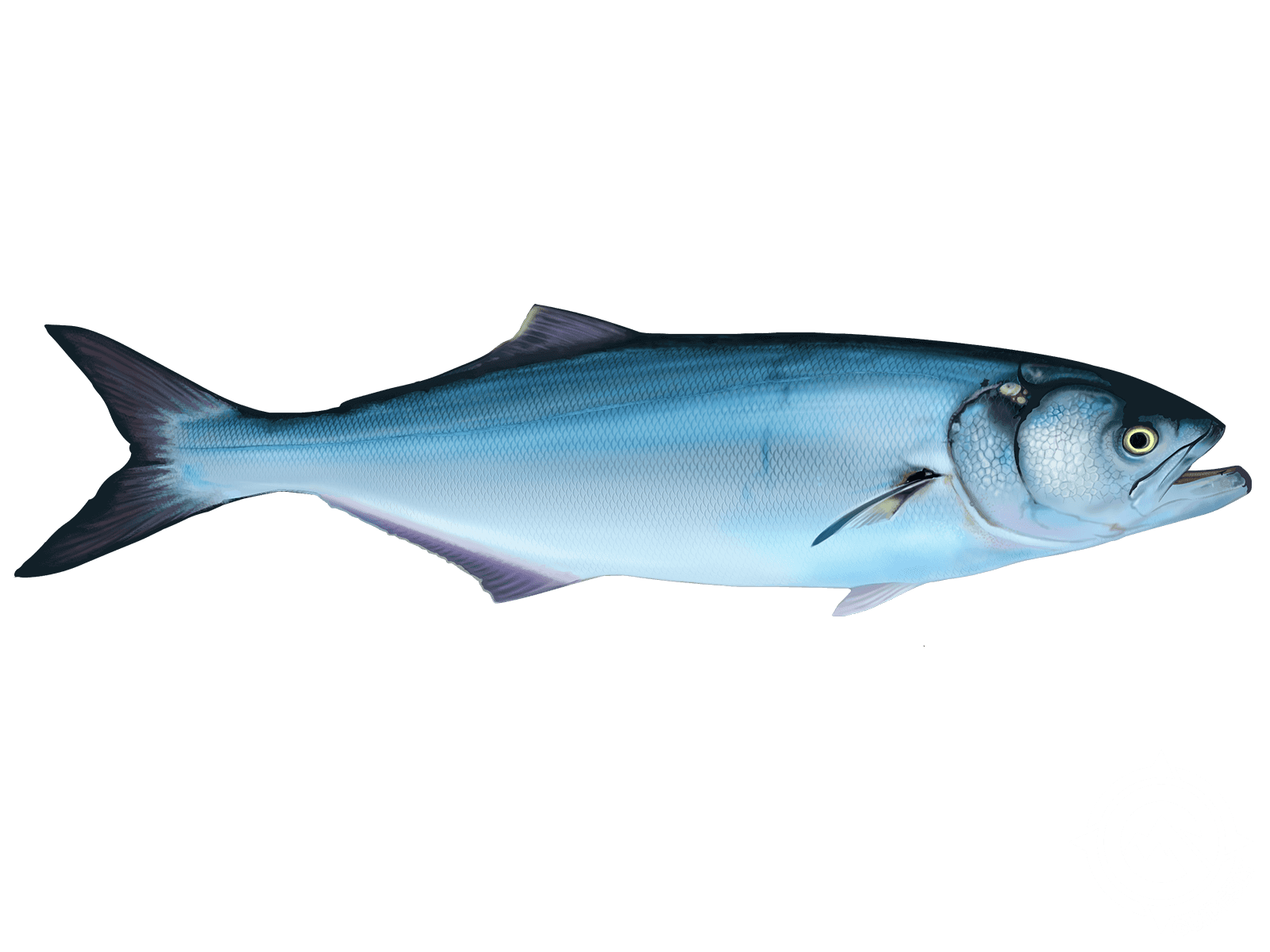
Bluefish
Blues are aggressive predators that put up a serious fight once hooked. These gray-green bruisers typically weigh 3-15 pounds around here and have razor-sharp teeth that'll cut through regular line in seconds. You'll find them in schools around jetties, surf zones, and nearshore structure during summer and fall. What makes them special is their feeding frenzies - when they're on the bite, the action is non-stop. They'll hit just about any moving lure aggressively. Guests love the hard strikes and strong runs they make. The meat is rich and oily, great when fresh but needs to be iced quickly. Always use a wire leader with blues, and carry pliers - those teeth are no joke. Cut bait or metal spoons work best when they're feeding.
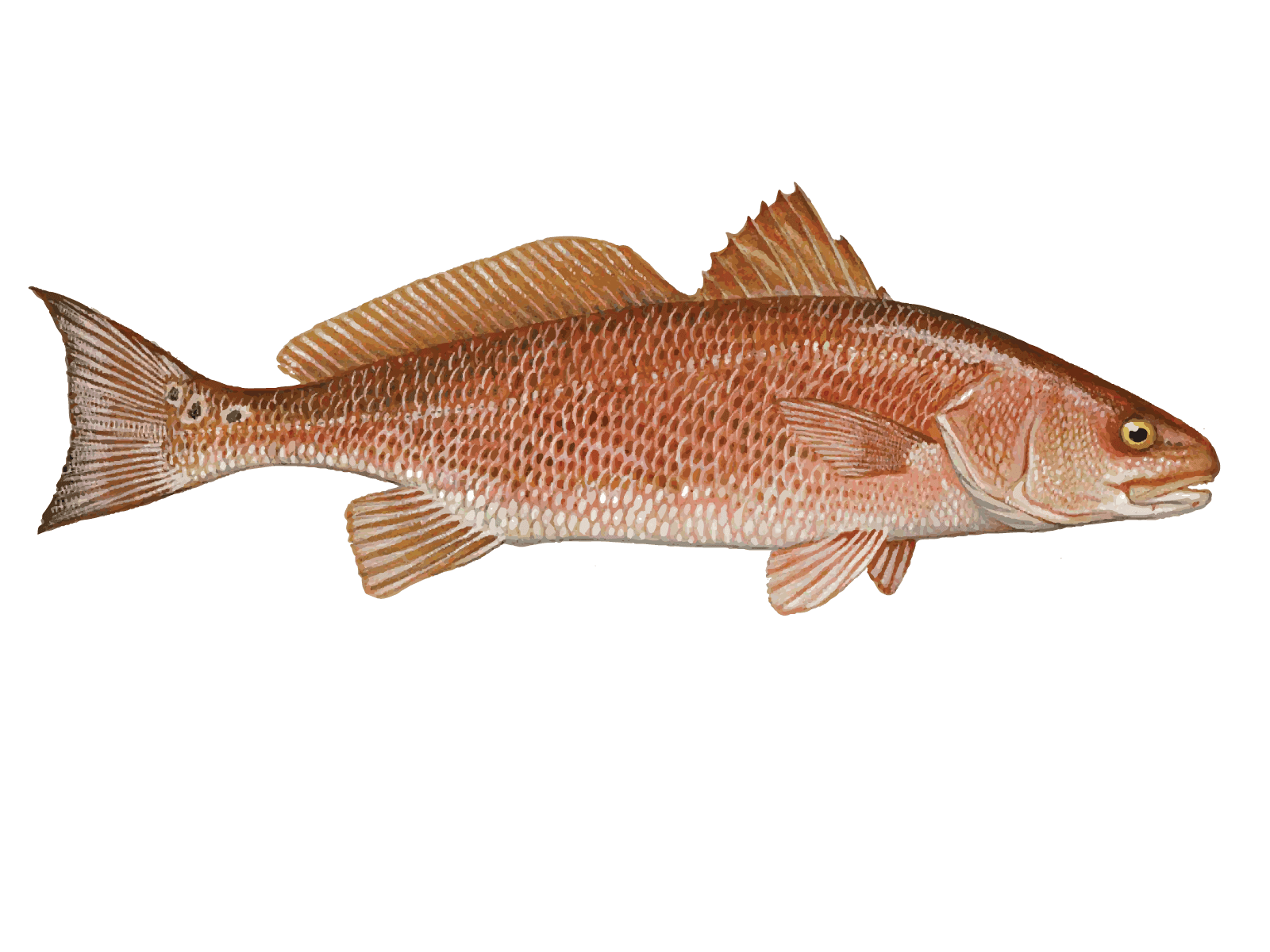
Redfish
Redfish are one of my favorite species to target in these shallow waters. These copper-colored beauties typically run 20-28 inches and love cruising oyster beds, grass flats, and creek mouths in 1-4 feet of water. You can spot their distinctive black eyespot near the tail - it's designed to fool predators. Summer months are prime time as they feed aggressively in the warm shallows. Guests love them because they fight hard and taste great with that mild, sweet flavor. The key trick here is keeping your bait right on the bottom near structure. Use live shrimp or cut bait around oyster bars during moving tides - that's when they're most active and feeding.
Spanish Mackerel
Spanish mackerel are fast, aggressive fish that make for exciting light tackle action. These silver speedsters typically run 1-2 feet long and travel in large schools near the surface. During summer, you'll find them around nearshore structure, jetties, and over grass flats where baitfish congregate. They're some of the fastest swimmers out there, so when they hit your lure, you'll know it. What guests really enjoy is their willingness to hit just about any small, shiny lure and their excellent table fare - mild, flaky meat that's perfect grilled or smoked. The trick is to use light wire leaders since they have sharp teeth, and small spoons or jigs work best. When you see birds diving, head that way - mackerel are usually feeding underneath.
About the 25" Carolina Skiff
%2F%2Fusers%2F52a04e1e-1fc4-4290-b875-6c2c4003c808%2Fvehicle_picture%2Fboat-mlk6ippr.jpg&w=1920&q=75)
Vehicle Guest Capacity: 5
Manufacturer Name: 2025 Yamaha 200hp Outboard
Maximum Cruising Speed: 40
Number of Engines: 1
Horsepower per Engine: 200

Captain Tom took us out for an excellent morning on the water where all the kids and adults had a blast. We had our first experience with a fish that was too big to keep when we hooked two red fish at the same time. One made it into the boat while the other got bit in half by a shark before breaking the surface. We managed to snag a few sharks as well including a big spinner shark that gave us an excellent display before slipping the hook. Nothing to keep and eat but great stories. The too big Red fish gains at least 5 pounds every time a boy tells the story.